Flexible Vibration Feeder

WRL-80 Flexible Vibration Feeder

WRL-80 Flexible Vibration Feeder

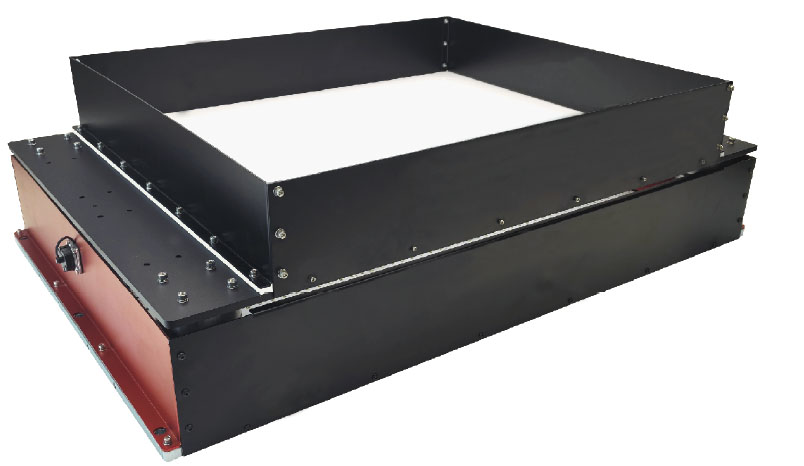
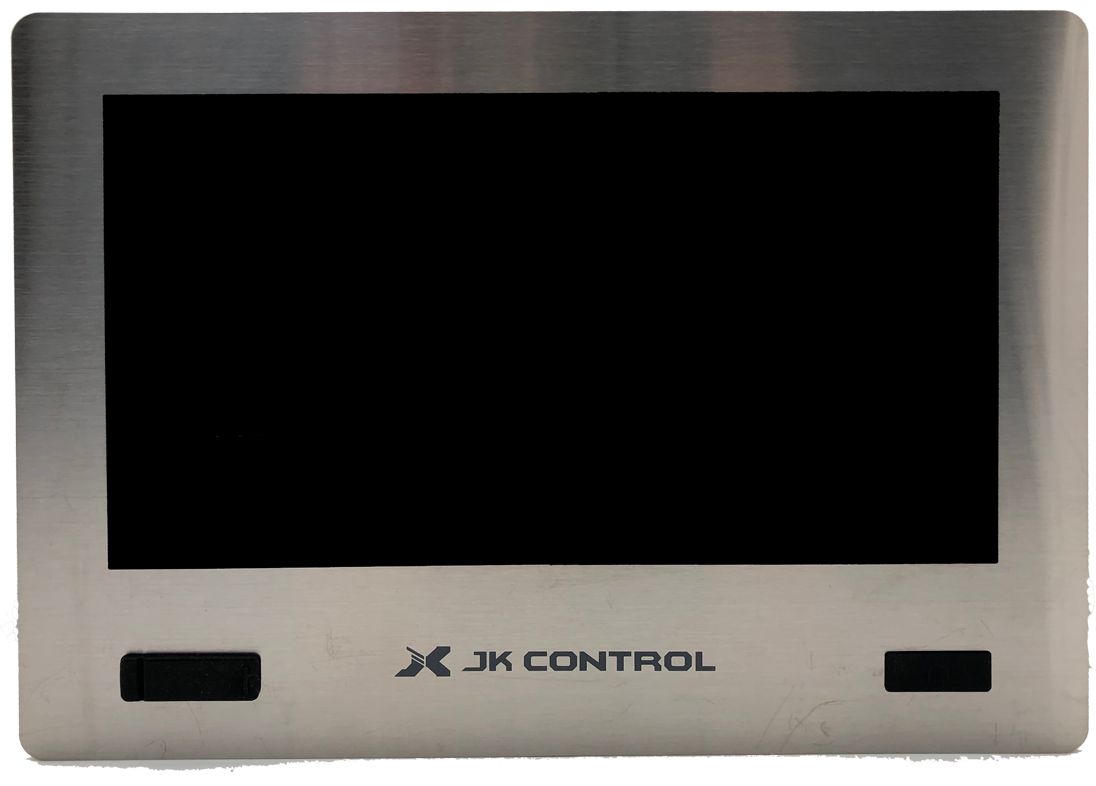
Product Model:WRL-80 Applicable part size range: 0.5–4mmTray structure/material: Aluminum alloy trayTray load capacity: 0.2 KGTray vibration amplitude: ±2mm Weight: 4.56 kgPower supply: 12V/100WOverall dimensions (L/W/H): 312 x 77 x 147.5 mmTray dimensions (L/W/Depth): 70 x 50 x 10 mmHopper dimensions (L/W/Depth): 170 x 70 x 40 mmMounting hole spacing: 295 x 60 mm Flexible Vibratory Feeder Application Overview: ① Versatility and wide applicability: Suitable for arranging and singulating bulk small parts in 99% of automated production scenarios, especially thin sheet parts     , soft rubber parts, irregular-shaped parts, etc., where traditional bowl feeders have difficulty feeding. It offers a clear advantage in part arrangement.   ② User-friendly interface and easy adjustment: The flexible feeder control system can be optionally equipped with a 7-inch touchscreen, allowing users to adjust motions and parameters,     create motion sequences and set vibration durations, etc. The system provides 11 motion modes and can flexibly set vibration parameters for different products.   ③ Fast and precise vibration response: The voice-coil motor response time reaches the millisecond level. Vibration dispersion actions can be completed in as little as 100–1000 ms, with extremely fast response.   ④ Smooth coordinated vibration to reduce product surface damage: Driven by multiple voice-coil motors, the system can control smooth, evenly coordinated movement in multiple directions. Products contact each other gently,     minimizing surface damage and reducing the risk of jamming.   ⑤ Flexible customization for different products: Tray materials can be selected based on product characteristics, such as white or black POM, PVC, FDA-compliant materials, ESD materials, etc.,     and structural customization is also available. Depending on the irregular shape of the parts, holes, grooves, etc. can be machined as needed.   ⑥ Simple handshaking with PC or PLC to avoid complex communication: Connection and handshaking can be implemented via I/O signals or the MODBUS protocol to trigger feeder motion sequences,     control lighting on/off, etc. All parameters can also be set through the 7-inch touchscreen, making operation convenient and easy to learn.     Industry Application Examples:   Flexible Printed Circuit (FPC) Arrangement: Flexible printed circuits, also known as FPCs, are favored for their light weight, thin profile, and ability to bend and fold. They are widely used in commercial electronic devices, mobile phones, tablets, laptops, cameras, camcorders, CD-ROMs, watches, computers, medical instruments, and many other electronic products and equipment. In customers’ automated FPC assembly production, automatic feeding is difficult due to the soft material and irregular shapes of FPCs, which directly affects the speed of factory automation. Using the WRL-300–500 series flexible vibratory feeders to arrange FPC products can effectively solve the problem of difficult separation and singulation caused by soft materials. For medium-to-large FPC products, the 500 series flexible vibratory feeder can also effectively flip parts for orientation and positioning.       Thin Sheet Part Arrangement: In automated production, many thin materials are fed using traditional bowl feeders to achieve higher production efficiency. However, because traditional bowl feeders rely on mechanical structures to control arranging and output, thin sheets are prone to stacking during the arranging process, which can easily cause jamming. Flexible vibratory feeders keep the arranging process smooth for thin sheet parts, making stacking and jamming less likely. This improves arranging speed and stability, thereby increasing production efficiency and reducing production costs.     Irregular-Shaped Part Arrangement: In industries such as metal processing and injection molding, small irregular-shaped parts vary in appearance and often require distinguishing between multiple faces and orientations. Using traditional bowl feeders to arrange such parts is very difficult, mainly because consistent orientation cannot be guaranteed. In addition, due to irregular shapes, traditional bowl feeders have limited compatibility and cannot adapt to multiple products sharing the same feeder. With a flexible vibratory feeder, parts can be automatically flipped and, through vision positioning, the correct face can be selected for robotic picking, maximizing avoidance of the problems encountered with traditional bowl feeders and offering strong versatility.     Electronic Component Arrangement: Electronic components include resistors, capacitors, potentiometers, vacuum tubes, heatsinks, electromechanical components, connectors, and more. Conventional electronic component arranging commonly uses traditional bowl feeders, but each feeder typically handles only one tray at a time and cannot arrange multiple products in a single automatic feeding machine, resulting in lower feeding efficiency and difficulty meeting current demands for electronic component feeding. Using a flexible vibratory feeder enables fast switching between multiple products, with high versatility and simple operation. It is widely favored for applications such as electronic component taping and tray loading.  

WRL-150 Flexible Vibration Feeder

WRL-150 Flexible Vibration Feeder

Product Model:WRL-150 Applicable part size range: 3-10MM / 15MM slender typeTray structure/material: Aluminum alloy trayTray load capacity: 0.5 KGTray vibration amplitude: ±2mm Weight: 8.14 kgPower supply: 12V/100WOverall dimensions (L/W/H): 450 x 107 x 170 mmTray dimensions (L/W/Depth): 150 x 100 x 26   Flexible Vibratory Feeder Application Overview: ① Versatility and wide applicability: Suitable for arranging and singulating bulk small parts in 99% of automated production scenarios, especially thin sheet parts     , soft rubber parts, irregular-shaped parts, etc., where traditional bowl feeders have difficulty feeding. It offers a clear advantage in part arrangement.   ② User-friendly interface and easy adjustment: The flexible feeder control system can be optionally equipped with a 7-inch touchscreen, allowing users to adjust motions and parameters,     create motion sequences and set vibration durations, etc. The system provides 11 motion modes and can flexibly set vibration parameters for different products.   ③ Fast and precise vibration response: The voice-coil motor response time reaches the millisecond level. Vibration dispersion actions can be completed in as little as 100–1000 ms, with extremely fast response.   ④ Smooth coordinated vibration to reduce product surface damage: Driven by multiple voice-coil motors, the system can control smooth, evenly coordinated movement in multiple directions. Products contact each other gently,     minimizing surface damage and reducing the risk of jamming.   ⑤ Flexible customization for different products: Tray materials can be selected based on product characteristics, such as white or black POM, PVC, FDA-compliant materials, ESD materials, etc.,     and structural customization is also available. Depending on the irregular shape of the parts, holes, grooves, etc. can be machined as needed.   ⑥ Simple handshaking with PC or PLC to avoid complex communication: Connection and handshaking can be implemented via I/O signals or the MODBUS protocol to trigger feeder motion sequences,     control lighting on/off, etc. All parameters can also be set through the 7-inch touchscreen, making operation convenient and easy to learn.     Industry Application Examples:   Flexible Printed Circuit (FPC) Arrangement: Flexible printed circuits, also known as FPCs, are favored for their light weight, thin profile, and ability to bend and fold. They are widely used in commercial electronic devices, mobile phones, tablets, laptops, cameras, camcorders, CD-ROMs, watches, computers, medical instruments, and many other electronic products and equipment. In customers’ automated FPC assembly production, automatic feeding is difficult due to the soft material and irregular shapes of FPCs, which directly affects the speed of factory automation. Using the WRL-300–500 series flexible vibratory feeders to arrange FPC products can effectively solve the problem of difficult separation and singulation caused by soft materials. For medium-to-large FPC products, the 500 series flexible vibratory feeder can also effectively flip parts for orientation and positioning.       Thin Sheet Part Arrangement: In automated production, many thin materials are fed using traditional bowl feeders to achieve higher production efficiency. However, because traditional bowl feeders rely on mechanical structures to control arranging and output, thin sheets are prone to stacking during the arranging process, which can easily cause jamming. Flexible vibratory feeders keep the arranging process smooth for thin sheet parts, making stacking and jamming less likely. This improves arranging speed and stability, thereby increasing production efficiency and reducing production costs.     Irregular-Shaped Part Arrangement: In industries such as metal processing and injection molding, small irregular-shaped parts vary in appearance and often require distinguishing between multiple faces and orientations. Using traditional bowl feeders to arrange such parts is very difficult, mainly because consistent orientation cannot be guaranteed. In addition, due to irregular shapes, traditional bowl feeders have limited compatibility and cannot adapt to multiple products sharing the same feeder. With a flexible vibratory feeder, parts can be automatically flipped and, through vision positioning, the correct face can be selected for robotic picking, maximizing avoidance of the problems encountered with traditional bowl feeders and offering strong versatility.     Electronic Component Arrangement: Electronic components include resistors, capacitors, potentiometers, vacuum tubes, heatsinks, electromechanical components, connectors, and more. Conventional electronic component arranging commonly uses traditional bowl feeders, but each feeder typically handles only one tray at a time and cannot arrange multiple products in a single automatic feeding machine, resulting in lower feeding efficiency and difficulty meeting current demands for electronic component feeding. Using a flexible vibratory feeder enables fast switching between multiple products, with high versatility and simple operation. It is widely favored for applications such as electronic component taping and tray loading.

WRL-200 柔性震動盤

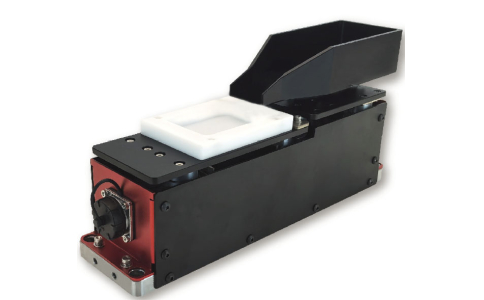
WRL-200 柔性震動盤

Product Model:WRL-200 Applicable part size range: 3-30MM / 50MM slender type Tray structure/material: Aluminum alloy tray Tray load capacity: 0.7 KG Tray vibration amplitude: ±2 mm Weight: 8.6 kg Power supply: 12V/100W Overall dimensions (L/W/H): 318 x 167 x 114.5 mm Tray dimensions (L/W/Depth): 205 x 160 x 26 mm   Flexible Vibratory Feeder Application Overview: ① Versatility and wide applicability: Suitable for arranging and singulating bulk small parts in 99% of automated production scenarios, especially thin sheet parts     , soft rubber parts, irregular-shaped parts, etc., where traditional bowl feeders have difficulty feeding. It offers a clear advantage in part arrangement.   ② User-friendly interface and easy adjustment: The flexible feeder control system can be optionally equipped with a 7-inch touchscreen, allowing users to adjust motions and parameters,     create motion sequences and set vibration durations, etc. The system provides 11 motion modes and can flexibly set vibration parameters for different products.   ③ Fast and precise vibration response: The voice-coil motor response time reaches the millisecond level. Vibration dispersion actions can be completed in as little as 100–1000 ms, with extremely fast response.   ④ Smooth coordinated vibration to reduce product surface damage: Driven by multiple voice-coil motors, the system can control smooth, evenly coordinated movement in multiple directions. Products contact each other gently,     minimizing surface damage and reducing the risk of jamming.   ⑤ Flexible customization for different products: Tray materials can be selected based on product characteristics, such as white or black POM, PVC, FDA-compliant materials, ESD materials, etc.,     and structural customization is also available. Depending on the irregular shape of the parts, holes, grooves, etc. can be machined as needed.   ⑥ Simple handshaking with PC or PLC to avoid complex communication: Connection and handshaking can be implemented via I/O signals or MODBUS protocol to trigger feeder motion sequences,     control lighting on/off, etc. All parameters can also be set through the 7-inch touchscreen, making operation convenient and easy to learn.     Industry Application Examples:   Flexible Printed Circuit (FPC) Arrangement: Flexible printed circuits, also known as FPCs, are favored for their light weight, thin profile, and ability to bend and fold. They are widely used in commercial electronic devices, mobile phones, tablets, laptops, cameras, camcorders, CD-ROMs, watches, computers, medical instruments, and many other electronic products and equipment. In customers’ automated FPC assembly production, automatic feeding is difficult due to the soft material and irregular shapes of FPCs, which directly affects the speed of factory automation. Using the WRL-300–500 series flexible vibratory feeders to arrange FPC products can effectively solve the problem of difficult separation and singulation caused by soft materials. For medium-to-large FPC products, the 500 series flexible vibratory feeder can also effectively flip parts for orientation and positioning.       Thin Sheet Part Arrangement: In automated production, many thin materials are fed using traditional bowl feeders to achieve higher production efficiency. However, because traditional bowl feeders rely on mechanical structures to control arranging and output, thin sheets are prone to stacking during the arranging process, which can easily cause jamming. Flexible vibratory feeders keep the arranging process smooth for thin sheet parts, making stacking and jamming less likely. This improves arranging speed and stability, thereby increasing production efficiency and reducing production costs.     Irregular-Shaped Part Arrangement: In industries such as metal processing and injection molding, small irregular-shaped parts vary in appearance and often require distinguishing between multiple faces and orientations. Using traditional bowl feeders to arrange such parts is very difficult, mainly because consistent orientation cannot be guaranteed. In addition, due to irregular shapes, traditional bowl feeders have limited compatibility and cannot adapt to multiple products sharing the same feeder. With a flexible vibratory feeder, parts can be automatically flipped and, through vision positioning, the correct face can be selected for robotic picking, maximizing avoidance of the problems encountered with traditional bowl feeders and offering strong versatility.     Electronic Component Arrangement: Electronic components include resistors, capacitors, potentiometers, vacuum tubes, heatsinks, electromechanical components, connectors, and more. Conventional electronic component arranging commonly uses traditional bowl feeders, but each feeder typically handles only one tray at a time and cannot arrange multiple products in a single automatic feeding machine, resulting in lower feeding efficiency and difficulty meeting current demands for electronic component feeding. Using a flexible vibratory feeder enables fast switching between multiple products, with high versatility and simple operation. It is widely favored for applications such as electronic component taping and tray loading.  
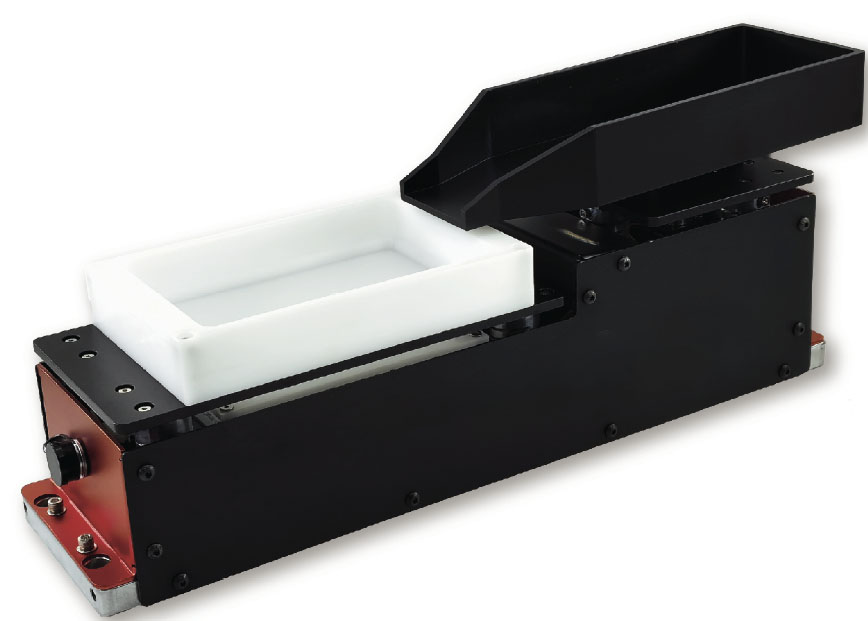
WRL-240 柔性震動盤

WRL-240 柔性震動盤

Product Model:WRL-240Applicable part size range: 5-40 MM / 40MM slender type Tray structure/material: Aluminum alloy trayTray load capacity: 0.7 KGTray vibration amplitude: ±5 mmWeight: 13.4 kgPower supply: 12V/100WOverall dimensions (L/W/H): 321 x 232 x 126.5 mm Tray dimensions (L/W/Depth): 244 x 184 x 36 mm Mounting hole spacing: 306 x 170 mm   Flexible Vibratory Feeder Application Overview: ① Versatility and wide applicability: Suitable for arranging and singulating bulk small parts in 99% of automated production scenarios, especially thin sheet parts     , soft rubber parts, irregular-shaped parts, etc., where traditional bowl feeders have difficulty feeding. It offers a clear advantage in part arrangement.   ② User-friendly interface and easy adjustment: The flexible feeder control system can be optionally equipped with a 7-inch touchscreen, allowing users to adjust motions and parameters,     create motion sequences and set vibration durations, etc. The system provides 11 motion modes and can flexibly set vibration parameters for different products.   ③ Fast and precise vibration response: The voice-coil motor response time reaches the millisecond level. Vibration dispersion actions can be completed in as little as 100–1000 ms, with extremely fast response.   ④ Smooth coordinated vibration to reduce product surface damage: Driven by multiple voice-coil motors, the system can control smooth, evenly coordinated movement in multiple directions. Products contact each other gently,     minimizing surface damage and reducing the risk of jamming.   ⑤ Flexible customization for different products: Tray materials can be selected based on product characteristics, such as white or black POM, PVC, FDA-compliant materials, ESD materials, etc.,     and structural customization is also available. Depending on the irregular shape of the parts, holes, grooves, etc. can be machined as needed.   ⑥ Simple handshaking with PC or PLC to avoid complex communication: Connection and handshaking can be implemented via I/O signals or MODBUS protocol to trigger feeder motion sequences,     control lighting on/off, etc. All parameters can also be set through the 7-inch touchscreen, making operation convenient and easy to learn.     Industry Application Examples:   Flexible Printed Circuit (FPC) Arrangement: Flexible printed circuits, also known as FPCs, are favored for their light weight, thin profile, and ability to bend and fold. They are widely used in commercial electronic devices, mobile phones, tablets, laptops, cameras, camcorders, CD-ROMs, watches, computers, medical instruments, and many other electronic products and equipment. In customers’ automated FPC assembly production, automatic feeding is difficult due to the soft material and irregular shapes of FPCs, which directly affects the speed of factory automation. Using the WRL-300–500 series flexible vibratory feeders to arrange FPC products can effectively solve the problem of difficult separation and singulation caused by soft materials. For medium-to-large FPC products, the 500 series flexible vibratory feeder can also effectively flip parts for orientation and positioning.       Thin Sheet Part Arrangement: In automated production, many thin materials are fed using traditional bowl feeders to achieve higher production efficiency. However, because traditional bowl feeders rely on mechanical structures to control arranging and output, thin sheets are prone to stacking during the arranging process, which can easily cause jamming. Flexible vibratory feeders keep the arranging process smooth for thin sheet parts, making stacking and jamming less likely. This improves arranging speed and stability, thereby increasing production efficiency and reducing production costs.     Irregular-Shaped Part Arrangement: In industries such as metal processing and injection molding, small irregular-shaped parts vary in appearance and often require distinguishing between multiple faces and orientations. Using traditional bowl feeders to arrange such parts is very difficult, mainly because consistent orientation cannot be guaranteed. In addition, due to irregular shapes, traditional bowl feeders have limited compatibility and cannot adapt to multiple products sharing the same feeder. With a flexible vibratory feeder, parts can be automatically flipped and, through vision positioning, the correct face can be selected for robotic picking, maximizing avoidance of the problems encountered with traditional bowl feeders and offering strong versatility.     Electronic Component Arrangement: Electronic components include resistors, capacitors, potentiometers, vacuum tubes, heatsinks, electromechanical components, connectors, and more. Conventional electronic component arranging commonly uses traditional bowl feeders, but each feeder typically handles only one tray at a time and cannot arrange multiple products in a single automatic feeding machine, resulting in lower feeding efficiency and difficulty meeting current demands for electronic component feeding. Using a flexible vibratory feeder enables fast switching between multiple products, with high versatility and simple operation. It is widely favored for applications such as electronic component taping and tray loading.
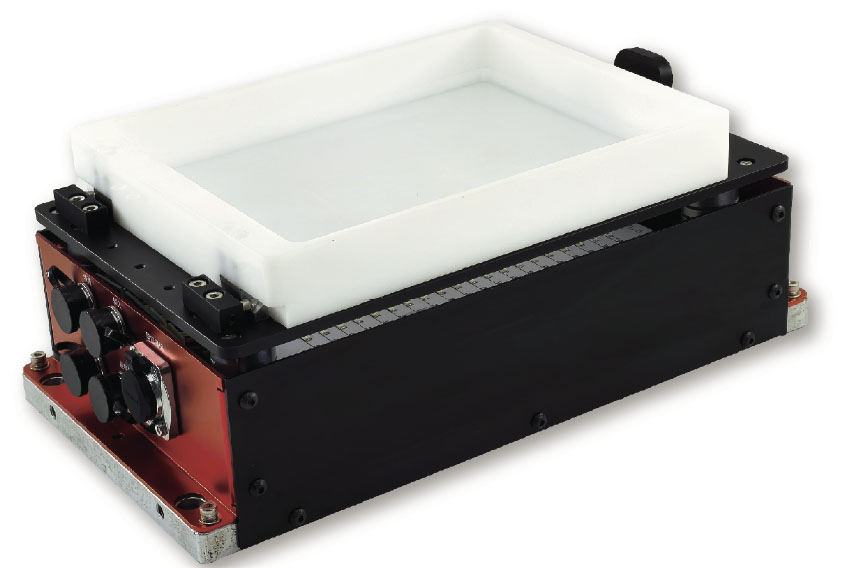
WRL-300 柔性震動盤

WRL-300 柔性震動盤

Product Model:WRL-300Applicable part size range: 5-50 MM / 70MM slender type Tray structure/material: Aluminum alloy tray Tray load capacity: 1 kg Tray vibration amplitude: ±5 mm Weight: 16.7 kg Power supply: 12V/100W Overall dimensions (L/W/H): 451 x 234 x 153.5 mm Tray dimensions (L/W/Depth): 294 x 230 x 43 mm Mounting hole spacing: 435 x 174 mm   Flexible Vibratory Feeder Application Overview: ① Versatility and wide applicability: Suitable for arranging and singulating bulk small parts in 99% of automated production scenarios, especially thin sheet parts     , soft rubber parts, irregular-shaped parts, etc., where traditional bowl feeders have difficulty feeding. It offers a clear advantage in part arrangement.   ② User-friendly interface and easy adjustment: The flexible feeder control system can be optionally equipped with a 7-inch touchscreen, allowing users to adjust motions and parameters,     create motion sequences and set vibration durations, etc. The system provides 11 motion modes and can flexibly set vibration parameters for different products.   ③ Fast and precise vibration response: The voice-coil motor response time reaches the millisecond level. Vibration dispersion actions can be completed in as little as 100–1000 ms, with extremely fast response.   ④ Smooth coordinated vibration to reduce product surface damage: Driven by multiple voice-coil motors, the system can control smooth, evenly coordinated movement in multiple directions. Products contact each other gently,     minimizing surface damage and reducing the risk of jamming.   ⑤ Flexible customization for different products: Tray materials can be selected based on product characteristics, such as white or black POM, PVC, FDA-compliant materials, ESD materials, etc.,     and structural customization is also available. Depending on the irregular shape of the parts, holes, grooves, etc. can be machined as needed.   ⑥ Simple handshaking with PC or PLC to avoid complex communication: Connection and handshaking can be implemented via I/O signals or MODBUS protocol to trigger feeder motion sequences,     control lighting on/off, etc. All parameters can also be set through the 7-inch touchscreen, making operation convenient and easy to learn.     Industry Application Examples:   Flexible Printed Circuit (FPC) Arrangement: Flexible printed circuits, also known as FPCs, are favored for their light weight, thin profile, and ability to bend and fold. They are widely used in commercial electronic devices, mobile phones, tablets, laptops, cameras, camcorders, CD-ROMs, watches, computers, medical instruments, and many other electronic products and equipment. In customers’ automated FPC assembly production, automatic feeding is difficult due to the soft material and irregular shapes of FPCs, which directly affects the speed of factory automation. Using the WRL-300–500 series flexible vibratory feeders to arrange FPC products can effectively solve the problem of difficult separation and singulation caused by soft materials. For medium-to-large FPC products, the 500 series flexible vibratory feeder can also effectively flip parts for orientation and positioning.       Thin Sheet Part Arrangement: In automated production, many thin materials are fed using traditional bowl feeders to achieve higher production efficiency. However, because traditional bowl feeders rely on mechanical structures to control arranging and output, thin sheets are prone to stacking during the arranging process, which can easily cause jamming. Flexible vibratory feeders keep the arranging process smooth for thin sheet parts, making stacking and jamming less likely. This improves arranging speed and stability, thereby increasing production efficiency and reducing production costs.     Irregular-Shaped Part Arrangement: In industries such as metal processing and injection molding, small irregular-shaped parts vary in appearance and often require distinguishing between multiple faces and orientations. Using traditional bowl feeders to arrange such parts is very difficult, mainly because consistent orientation cannot be guaranteed. In addition, due to irregular shapes, traditional bowl feeders have limited compatibility and cannot adapt to multiple products sharing the same feeder. With a flexible vibratory feeder, parts can be automatically flipped and, through vision positioning, the correct face can be selected for robotic picking, maximizing avoidance of the problems encountered with traditional bowl feeders and offering strong versatility.     Electronic Component Arrangement: Electronic components include resistors, capacitors, potentiometers, vacuum tubes, heatsinks, electromechanical components, connectors, and more. Conventional electronic component arranging commonly uses traditional bowl feeders, but each feeder typically handles only one tray at a time and cannot arrange multiple products in a single automatic feeding machine, resulting in lower feeding efficiency and difficulty meeting current demands for electronic component feeding. Using a flexible vibratory feeder enables fast switching between multiple products, with high versatility and simple operation. It is widely favored for applications such as electronic component taping and tray loading.
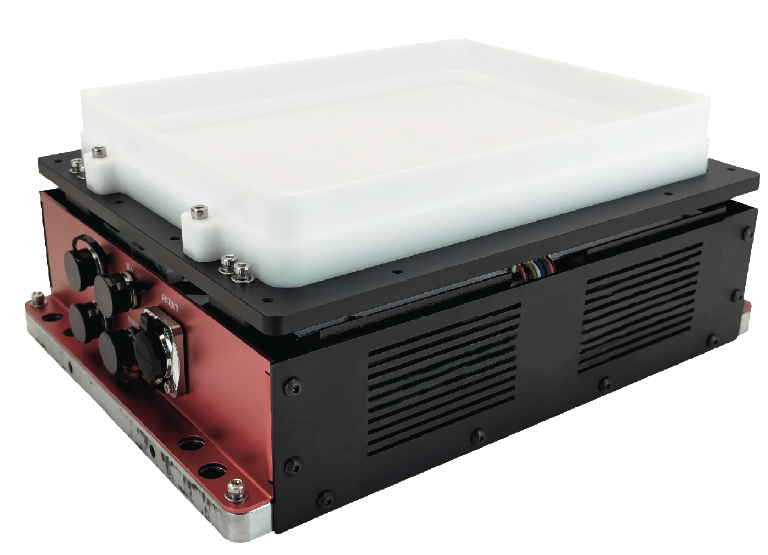
WRL-400 Flexible Vibration Feeder

WRL-400 Flexible Vibration Feeder

Product Model:WRL-400 Applicable part size range: 15-80 mm / 100 mm slender typeTray structure/material: Aluminum alloy trayTray load capacity: 1.5 kgTray vibration amplitude: ±6 mmWeight: 25.8 kgPower supply: 12V/100WOverall dimensions (L/W/H): 551 x 310 z 165.5 mmTray dimensions (L/W/Depth): 394 x 310 x 55 mmMounting hole spacing: 535 x 250 mm   Flexible Vibratory Feeder Application Overview: ① Versatility and wide applicability: Suitable for arranging and singulating bulk small parts in 99% of automated production scenarios, especially thin sheet parts     , soft rubber parts, irregular-shaped parts, etc., where traditional bowl feeders have difficulty feeding. It offers a clear advantage in part arrangement.   ② User-friendly interface and easy adjustment: The flexible feeder control system can be optionally equipped with a 7-inch touchscreen, allowing users to adjust motions and parameters,     create motion sequences and set vibration durations, etc. The system provides 11 motion modes and can flexibly set vibration parameters for different products.   ③ Fast and precise vibration response: The voice-coil motor response time reaches the millisecond level. Vibration dispersion actions can be completed in as little as 100–1000 ms, with extremely fast response.   ④ Smooth coordinated vibration to reduce product surface damage: Driven by multiple voice-coil motors, the system can control smooth, evenly coordinated movement in multiple directions. Products contact each other gently,     minimizing surface damage and reducing the risk of jamming.   ⑤ Flexible customization for different products: Tray materials can be selected based on product characteristics, such as white or black POM, PVC, FDA-compliant materials, ESD materials, etc.,     and structural customization is also available. Depending on the irregular shape of the parts, holes, grooves, etc. can be machined as needed.   ⑥ Simple handshaking with PC or PLC to avoid complex communication: Connection and handshaking can be implemented via I/O signals or MODBUS protocol to trigger feeder motion sequences,     control lighting on/off, etc. All parameters can also be set through the 7-inch touchscreen, making operation convenient and easy to learn.     Industry Application Examples:   Flexible Printed Circuit (FPC) Arrangement: Flexible printed circuits, also known as FPCs, are favored for their light weight, thin profile, and ability to bend and fold. They are widely used in commercial electronic devices, mobile phones, tablets, laptops, cameras, camcorders, CD-ROMs, watches, computers, medical instruments, and many other electronic products and equipment. In customers’ automated FPC assembly production, automatic feeding is difficult due to the soft material and irregular shapes of FPCs, which directly affects the speed of factory automation. Using the WRL-300–500 series flexible vibratory feeders to arrange FPC products can effectively solve the problem of difficult separation and singulation caused by soft materials. For medium-to-large FPC products, the 500 series flexible vibratory feeder can also effectively flip parts for orientation and positioning.       Thin Sheet Part Arrangement: In automated production, many thin materials are fed using traditional bowl feeders to achieve higher production efficiency. However, because traditional bowl feeders rely on mechanical structures to control arranging and output, thin sheets are prone to stacking during the arranging process, which can easily cause jamming. Flexible vibratory feeders keep the arranging process smooth for thin sheet parts, making stacking and jamming less likely. This improves arranging speed and stability, thereby increasing production efficiency and reducing production costs.     Irregular-Shaped Part Arrangement: In industries such as metal processing and injection molding, small irregular-shaped parts vary in appearance and often require distinguishing between multiple faces and orientations. Using traditional bowl feeders to arrange such parts is very difficult, mainly because consistent orientation cannot be guaranteed. In addition, due to irregular shapes, traditional bowl feeders have limited compatibility and cannot adapt to multiple products sharing the same feeder. With a flexible vibratory feeder, parts can be automatically flipped and, through vision positioning, the correct face can be selected for robotic picking, maximizing avoidance of the problems encountered with traditional bowl feeders and offering strong versatility.     Electronic Component Arrangement: Electronic components include resistors, capacitors, potentiometers, vacuum tubes, heatsinks, electromechanical components, connectors, and more. Conventional electronic component arranging commonly uses traditional bowl feeders, but each feeder typically handles only one tray at a time and cannot arrange multiple products in a single automatic feeding machine, resulting in lower feeding efficiency and difficulty meeting current demands for electronic component feeding. Using a flexible vibratory feeder enables fast switching between multiple products, with high versatility and simple operation. It is widely favored for applications such as electronic component taping and tray loading.
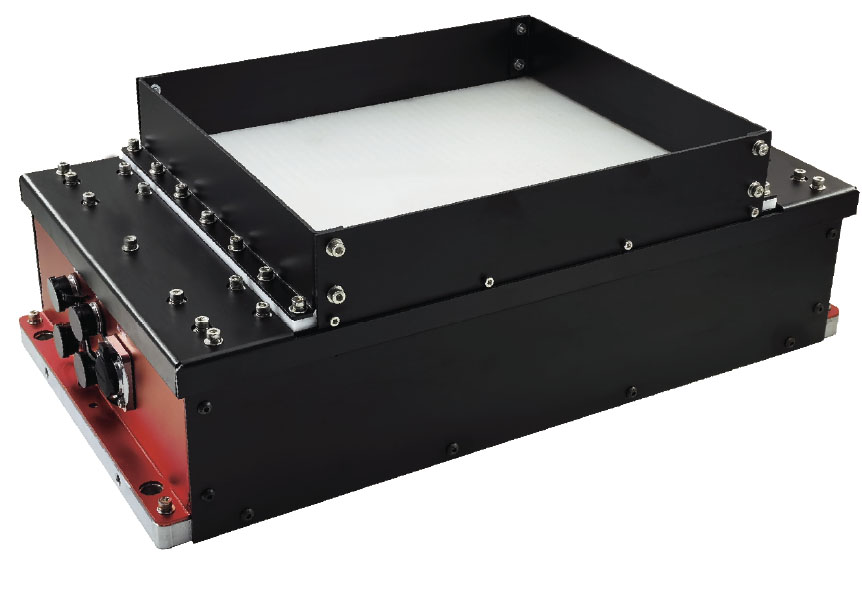
WRL-500 柔性震動盤

WRL-500 柔性震動盤

Product Model:WRL-500Applicable part size range: 20-120 MM / 150MM slender type Tray structure/material: Aluminum alloy trayTray load capacity: 1.5 kgTray vibration amplitude: ±6 mmWeight: 37.2 kgPower supply: 12V/100WOverall dimensions (L/W/H): 651 x 384 x 168.5 mm Tray dimensions (L/W/Depth): 494 x 384 x 58 mm Mounting hole spacing: 635 x 324 mm   Flexible Vibratory Feeder Application Overview: ① Versatility and wide applicability: Suitable for arranging and singulating bulk small parts in 99% of automated production scenarios, especially thin sheet parts     , soft rubber parts, irregular-shaped parts, etc., where traditional bowl feeders have difficulty feeding. It offers a clear advantage in part arrangement.   ② User-friendly interface and easy adjustment: The flexible feeder control system can be optionally equipped with a 7-inch touchscreen, allowing users to adjust motions and parameters,     create motion sequences and set vibration durations, etc. The system provides 11 motion modes and can flexibly set vibration parameters for different products.   ③ Fast and precise vibration response: The voice-coil motor response time reaches the millisecond level. Vibration dispersion actions can be completed in as little as 100–1000 ms, with extremely fast response.   ④ Smooth coordinated vibration to reduce product surface damage: Driven by multiple voice-coil motors, the system can control smooth, evenly coordinated movement in multiple directions. Products contact each other gently,     minimizing surface damage and reducing the risk of jamming.   ⑤ Flexible customization for different products: Tray materials can be selected based on product characteristics, such as white or black POM, PVC, FDA-compliant materials, ESD materials, etc.,     and structural customization is also available. Depending on the irregular shape of the parts, holes, grooves, etc. can be machined as needed.   ⑥ Simple handshaking with PC or PLC to avoid complex communication: Connection and handshaking can be implemented via I/O signals or MODBUS protocol to trigger feeder motion sequences,     control lighting on/off, etc. All parameters can also be set through the 7-inch touchscreen, making operation convenient and easy to learn.     Industry Application Examples:   Flexible Printed Circuit (FPC) Arrangement: Flexible printed circuits, also known as FPCs, are favored for their light weight, thin profile, and ability to bend and fold. They are widely used in commercial electronic devices, mobile phones, tablets, laptops, cameras, camcorders, CD-ROMs, watches, computers, medical instruments, and many other electronic products and equipment. In customers’ automated FPC assembly production, automatic feeding is difficult due to the soft material and irregular shapes of FPCs, which directly affects the speed of factory automation. Using the WRL-300–500 series flexible vibratory feeders to arrange FPC products can effectively solve the problem of difficult separation and singulation caused by soft materials. For medium-to-large FPC products, the 500 series flexible vibratory feeder can also effectively flip parts for orientation and positioning.       Thin Sheet Part Arrangement: In automated production, many thin materials are fed using traditional bowl feeders to achieve higher production efficiency. However, because traditional bowl feeders rely on mechanical structures to control arranging and output, thin sheets are prone to stacking during the arranging process, which can easily cause jamming. Flexible vibratory feeders keep the arranging process smooth for thin sheet parts, making stacking and jamming less likely. This improves arranging speed and stability, thereby increasing production efficiency and reducing production costs.     Irregular-Shaped Part Arrangement: In industries such as metal processing and injection molding, small irregular-shaped parts vary in appearance and often require distinguishing between multiple faces and orientations. Using traditional bowl feeders to arrange such parts is very difficult, mainly because consistent orientation cannot be guaranteed. In addition, due to irregular shapes, traditional bowl feeders have limited compatibility and cannot adapt to multiple products sharing the same feeder. With a flexible vibratory feeder, parts can be automatically flipped and, through vision positioning, the correct face can be selected for robotic picking, maximizing avoidance of the problems encountered with traditional bowl feeders and offering strong versatility.     Electronic Component Arrangement: Electronic components include resistors, capacitors, potentiometers, vacuum tubes, heatsinks, electromechanical components, connectors, and more. Conventional electronic component arranging commonly uses traditional bowl feeders, but each feeder typically handles only one tray at a time and cannot arrange multiple products in a single automatic feeding machine, resulting in lower feeding efficiency and difficulty meeting current demands for electronic component feeding. Using a flexible vibratory feeder enables fast switching between multiple products, with high versatility and simple operation. It is widely favored for applications such as electronic component taping and tray loading.
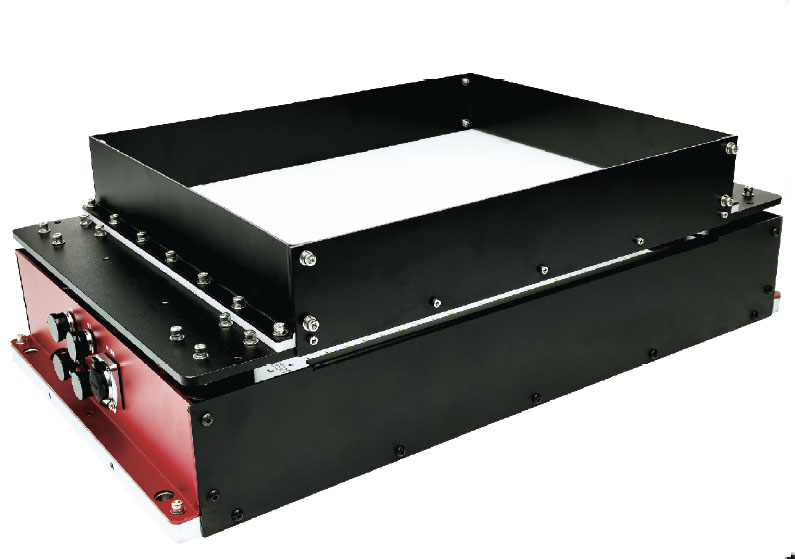
WRL-600 柔性震動盤

WRL-600 柔性震動盤

Product Model:WRL-600Applicable part size range: 50-180 MM / 250MM slender typeTray structure/material: Aluminum alloy trayTray load capacity: 5 kgTray vibration amplitude: ±10 mmWeight: 70 kgPower supply: 12V/200WOverall dimensions (L/W/H): 833 x 432 x 242.5 mm Tray dimensions (L/W/Depth): 596 x 428 x 96 mmMounting hole spacing: 817 x (182x2) x mm   Flexible Vibratory Feeder Application Overview: ① Versatility and wide applicability: Suitable for arranging and singulating bulk small parts in 99% of automated production scenarios, especially thin sheet parts     , soft rubber parts, irregular-shaped parts, etc., where traditional bowl feeders have difficulty feeding. It offers a clear advantage in part arrangement.   ② User-friendly interface and easy adjustment: The flexible feeder control system can be optionally equipped with a 7-inch touchscreen, allowing users to adjust motions and parameters,     create motion sequences and set vibration durations, etc. The system provides 11 motion modes and can flexibly set vibration parameters for different products.   ③ Fast and precise vibration response: The voice-coil motor response time reaches the millisecond level. Vibration dispersion actions can be completed in as little as 100–1000 ms, with extremely fast response.   ④ Smooth coordinated vibration to reduce product surface damage: Driven by multiple voice-coil motors, the system can control smooth, evenly coordinated movement in multiple directions. Products contact each other gently,     minimizing surface damage and reducing the risk of jamming.   ⑤ Flexible customization for different products: Tray materials can be selected based on product characteristics, such as white or black POM, PVC, FDA-compliant materials, ESD materials, etc.,     and structural customization is also available. Depending on the irregular shape of the parts, holes, grooves, etc. can be machined as needed.   ⑥ Simple handshaking with PC or PLC to avoid complex communication: Connection and handshaking can be implemented via I/O signals or MODBUS protocol to trigger feeder motion sequences,     control lighting on/off, etc. All parameters can also be set through the 7-inch touchscreen, making operation convenient and easy to learn.     Industry Application Examples:   Flexible Printed Circuit (FPC) Arrangement: Flexible printed circuits, also known as FPCs, are favored for their light weight, thin profile, and ability to bend and fold. They are widely used in commercial electronic devices, mobile phones, tablets, laptops, cameras, camcorders, CD-ROMs, watches, computers, medical instruments, and many other electronic products and equipment. In customers’ automated FPC assembly production, automatic feeding is difficult due to the soft material and irregular shapes of FPCs, which directly affects the speed of factory automation. Using the WRL-300–500 series flexible vibratory feeders to arrange FPC products can effectively solve the problem of difficult separation and singulation caused by soft materials. For medium-to-large FPC products, the 500 series flexible vibratory feeder can also effectively flip parts for orientation and positioning.       Thin Sheet Part Arrangement: In automated production, many thin materials are fed using traditional bowl feeders to achieve higher production efficiency. However, because traditional bowl feeders rely on mechanical structures to control arranging and output, thin sheets are prone to stacking during the arranging process, which can easily cause jamming. Flexible vibratory feeders keep the arranging process smooth for thin sheet parts, making stacking and jamming less likely. This improves arranging speed and stability, thereby increasing production efficiency and reducing production costs.     Irregular-Shaped Part Arrangement: In industries such as metal processing and injection molding, small irregular-shaped parts vary in appearance and often require distinguishing between multiple faces and orientations. Using traditional bowl feeders to arrange such parts is very difficult, mainly because consistent orientation cannot be guaranteed. In addition, due to irregular shapes, traditional bowl feeders have limited compatibility and cannot adapt to multiple products sharing the same feeder. With a flexible vibratory feeder, parts can be automatically flipped and, through vision positioning, the correct face can be selected for robotic picking, maximizing avoidance of the problems encountered with traditional bowl feeders and offering strong versatility.     Electronic Component Arrangement: Electronic components include resistors, capacitors, potentiometers, vacuum tubes, heatsinks, electromechanical components, connectors, and more. Conventional electronic component arranging commonly uses traditional bowl feeders, but each feeder typically handles only one tray at a time and cannot arrange multiple products in a single automatic feeding machine, resulting in lower feeding efficiency and difficulty meeting current demands for electronic component feeding. Using a flexible vibratory feeder enables fast switching between multiple products, with high versatility and simple operation. It is widely favored for applications such as electronic component taping and tray loading.
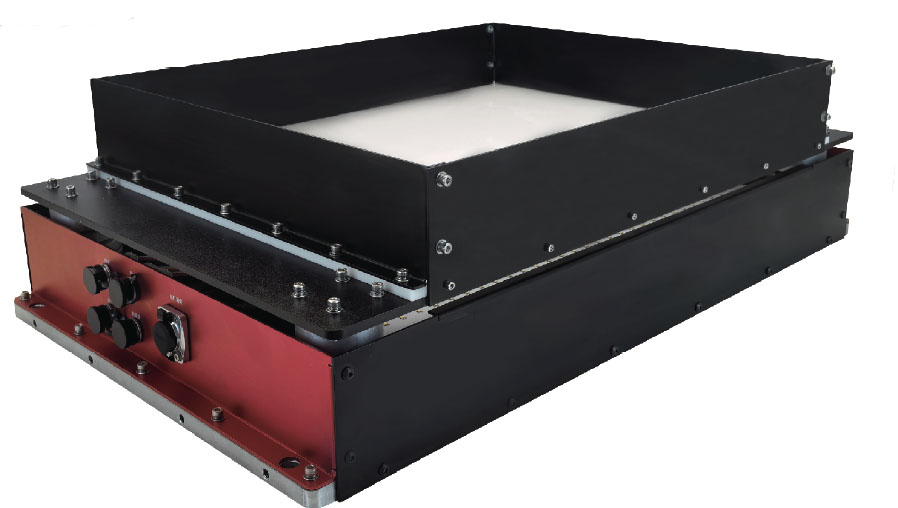
WRL-700 柔性震動盤

WRL-700 柔性震動盤

Product Model:WRL-700Applicable part size range: 50-250 MM / 300MM slender type Tray structure/material: Aluminum alloy trayTray load capacity: 5 kgTray vibration amplitude: ±10 mmWeight: 85 kgPower supply: 12V/200WOverall dimensions (L/W/H): 913 x 584 x 252.5 mmTray dimensions (L/W/Depth): 676 x 588 x 106 mmMounting hole spacing: 897 x 524 mm Flexible Vibratory Feeder Application Overview: ① Versatility and wide applicability: Suitable for arranging and singulating bulk small parts in 99% of automated production scenarios, especially thin sheet parts     , soft rubber parts, irregular-shaped parts, etc., where traditional bowl feeders have difficulty feeding. It offers a clear advantage in part arrangement.   ② User-friendly interface and easy adjustment: The flexible feeder control system can be optionally equipped with a 7-inch touchscreen, allowing users to adjust motions and parameters,     create motion sequences and set vibration durations, etc. The system provides 11 motion modes and can flexibly set vibration parameters for different products.   ③ Fast and precise vibration response: The voice-coil motor response time reaches the millisecond level. Vibration dispersion actions can be completed in as little as 100–1000 ms, with extremely fast response.   ④ Smooth coordinated vibration to reduce product surface damage: Driven by multiple voice-coil motors, the system can control smooth, evenly coordinated movement in multiple directions. Products contact each other gently,     minimizing surface damage and reducing the risk of jamming.   ⑤ Flexible customization for different products: Tray materials can be selected based on product characteristics, such as white or black POM, PVC, FDA-compliant materials, ESD materials, etc.,     and structural customization is also available. Depending on the irregular shape of the parts, holes, grooves, etc. can be machined as needed.   ⑥ Simple handshaking with PC or PLC to avoid complex communication: Connection and handshaking can be implemented via I/O signals or MODBUS protocol to trigger feeder motion sequences,     control lighting on/off, etc. All parameters can also be set through the 7-inch touchscreen, making operation convenient and easy to learn.     Industry Application Examples:   Flexible Printed Circuit (FPC) Arrangement: Flexible printed circuits, also known as FPCs, are favored for their light weight, thin profile, and ability to bend and fold. They are widely used in commercial electronic devices, mobile phones, tablets, laptops, cameras, camcorders, CD-ROMs, watches, computers, medical instruments, and many other electronic products and equipment. In customers’ automated FPC assembly production, automatic feeding is difficult due to the soft material and irregular shapes of FPCs, which directly affects the speed of factory automation. Using the WRL-300–500 series flexible vibratory feeders to arrange FPC products can effectively solve the problem of difficult separation and singulation caused by soft materials. For medium-to-large FPC products, the 500 series flexible vibratory feeder can also effectively flip parts for orientation and positioning.       Thin Sheet Part Arrangement: In automated production, many thin materials are fed using traditional bowl feeders to achieve higher production efficiency. However, because traditional bowl feeders rely on mechanical structures to control arranging and output, thin sheets are prone to stacking during the arranging process, which can easily cause jamming. Flexible vibratory feeders keep the arranging process smooth for thin sheet parts, making stacking and jamming less likely. This improves arranging speed and stability, thereby increasing production efficiency and reducing production costs.     Irregular-Shaped Part Arrangement: In industries such as metal processing and injection molding, small irregular-shaped parts vary in appearance and often require distinguishing between multiple faces and orientations. Using traditional bowl feeders to arrange such parts is very difficult, mainly because consistent orientation cannot be guaranteed. In addition, due to irregular shapes, traditional bowl feeders have limited compatibility and cannot adapt to multiple products sharing the same feeder. With a flexible vibratory feeder, parts can be automatically flipped and, through vision positioning, the correct face can be selected for robotic picking, maximizing avoidance of the problems encountered with traditional bowl feeders and offering strong versatility.     Electronic Component Arrangement: Electronic components include resistors, capacitors, potentiometers, vacuum tubes, heatsinks, electromechanical components, connectors, and more. Conventional electronic component arranging commonly uses traditional bowl feeders, but each feeder typically handles only one tray at a time and cannot arrange multiple products in a single automatic feeding machine, resulting in lower feeding efficiency and difficulty meeting current demands for electronic component feeding. Using a flexible vibratory feeder enables fast switching between multiple products, with high versatility and simple operation. It is widely favored for applications such as electronic component taping and tray loading.    
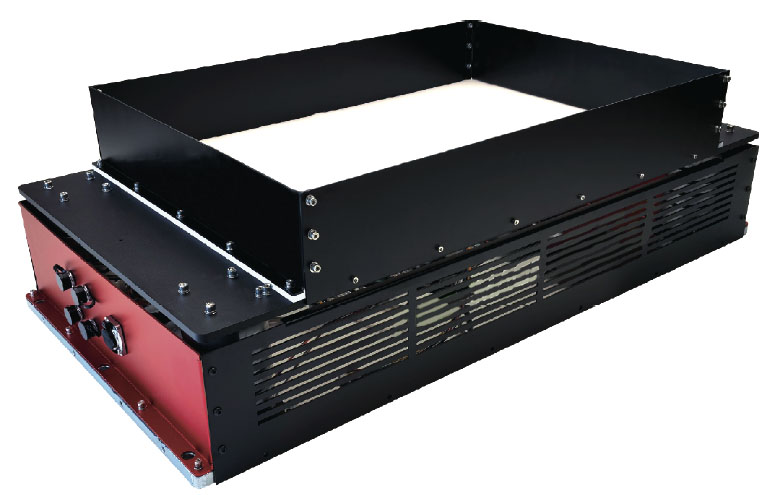
Automatic Sorting Equipment

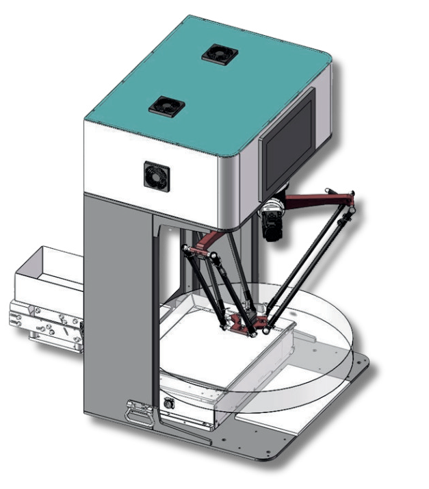
MRF-400 Delta Robot Flexible Sorting System

MRF-400 Delta Robot Flexible Sorting System

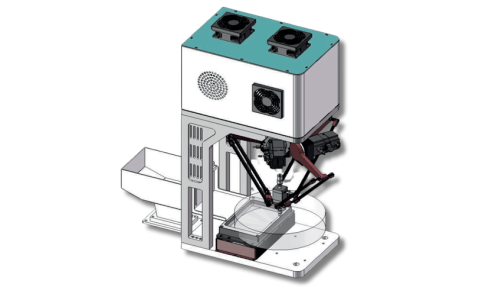
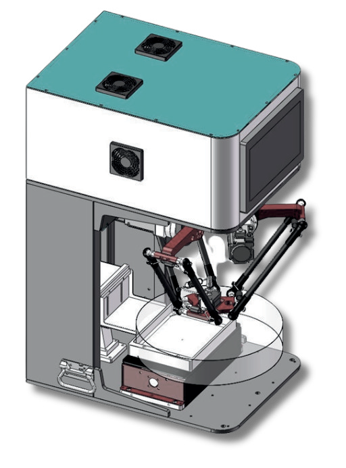
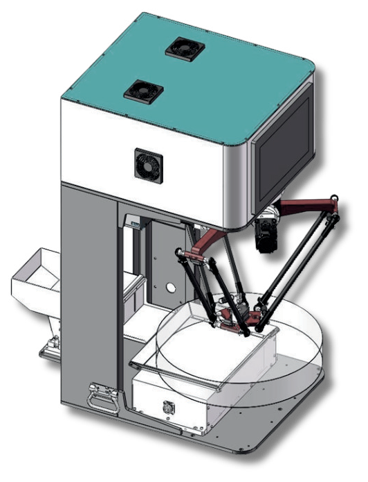
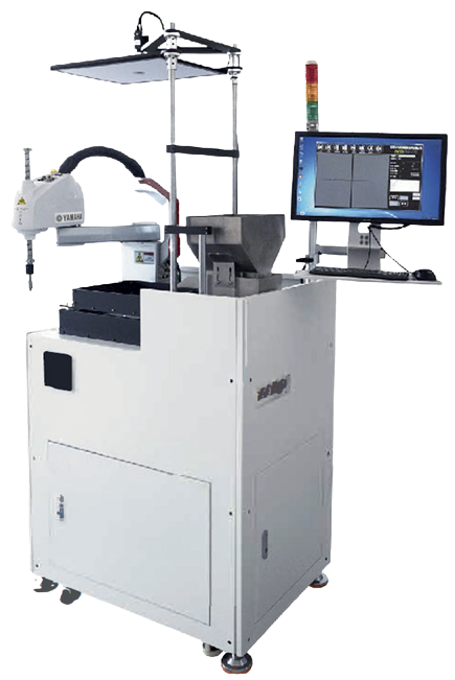
MRF-400 Parallel Robot Flexible Part-Feeding System     Product Specifications:   Delta Robot Arm length: 400 mm; Max payload: 0.5 kg Flexible Vibratory Feeder WRL-300M, tray size: 300*220 MM Automatic Replenishment Hopper 5L horizontal-feed replenishment hopper Number of Suction Cups Installable 1 PCS Optical System Flexible feeder positioning + secondary positioning with on-the-fly snapshot (optional) Control System All-in-one control system: Vision system + flexible feeder + Delta spider robot Tray-Loading Speed 2,500–3,500 PCS per hour (excluding tray change time), depending on product size and the probability of the correct face orientation Tray-Loading Accuracy Without on-the-fly snapshot: ±0.3 MM; On-the-fly snapshot accuracy: ±0.1 MM Tray Feeding Method Manual tray replacement Power Supply / Consumption AC110–220V / 1000W Air Supply Pressure 0.35–0.7 MPa Equipment Weight Approx. 80 kg Machine Dimensions 600 mm (L) × 500 mm (W) × 951 mm (H) Operating Temperature 0°C–50°C     Sorting/Feeding Area Range: (180X250MM)   MRF-400 Parallel Robot Flexible Part-Feeding System     Product Specifications:   Delta Robot Arm length: 400 mm; Max payload: 0.5 kg Flexible Vibratory Feeder WRL-300M, tray size: 300*220 MM Automatic Replenishment Hopper 5L horizontal-feed replenishment hopper Number of Suction Cups Installable 1 PCS Optical System Flexible feeder positioning + secondary positioning with on-the-fly snapshot (optional) Control System All-in-one control system: Vision system + flexible feeder + Delta spider robot Tray-Loading Speed 2,500–3,500 PCS per hour (excluding tray change time), depending on product size and the probability of the correct face orientation Tray-Loading Accuracy Without on-the-fly snapshot: ±0.3 MM; On-the-fly snapshot accuracy: ±0.1 MM Tray Feeding Method Manual tray replacement Power Supply / Consumption AC110–220V / 1000W Air Supply Pressure 0.35–0.7 MPa Equipment Weight Approx. 80 kg Machine Dimensions 600 mm (L) × 500 mm (W) × 951 mm (H) Operating Temperature 0°C–50°C     Sorting/Feeding Area Range: (180X250MM)  
AOI Light Sources

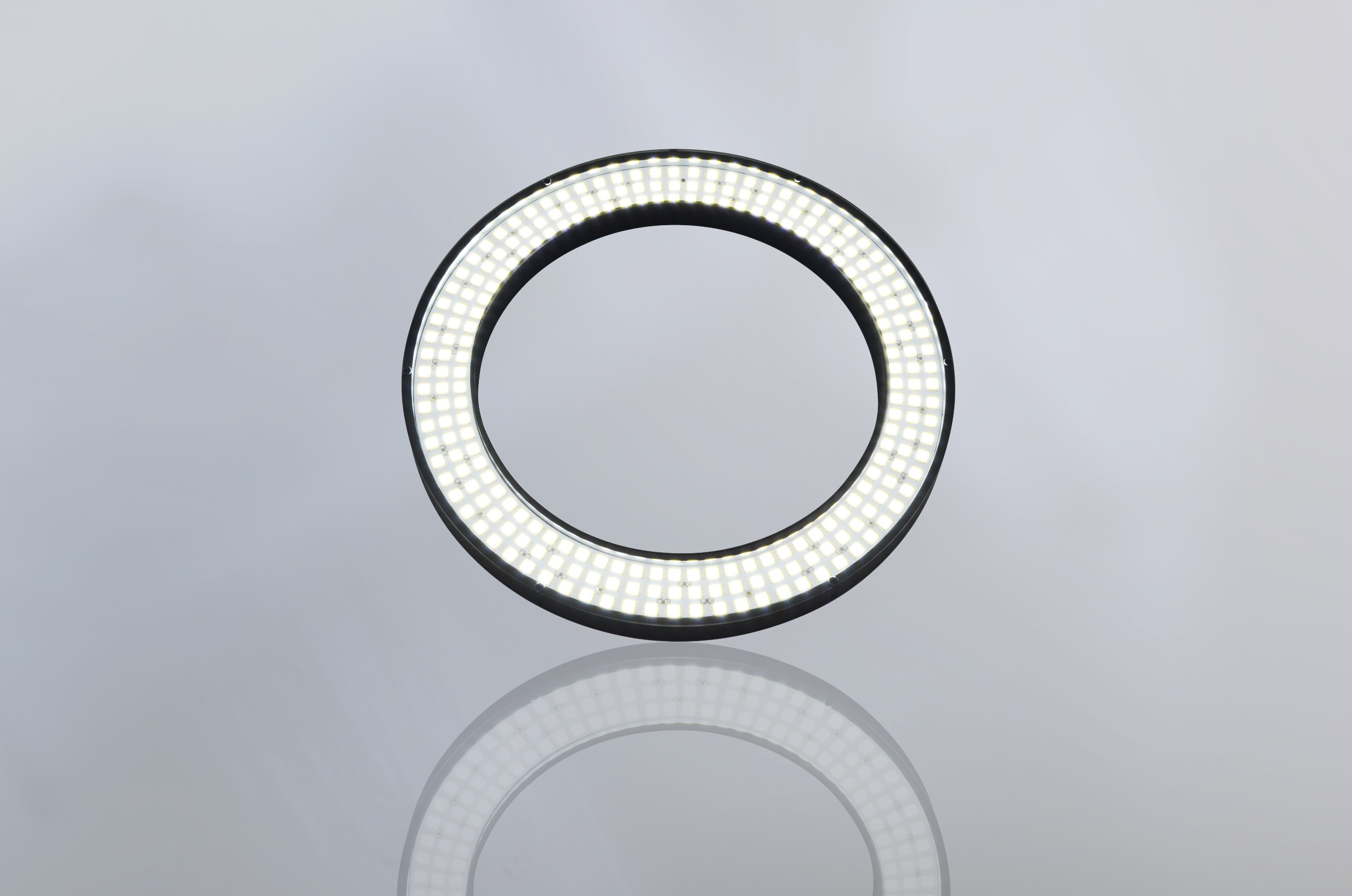
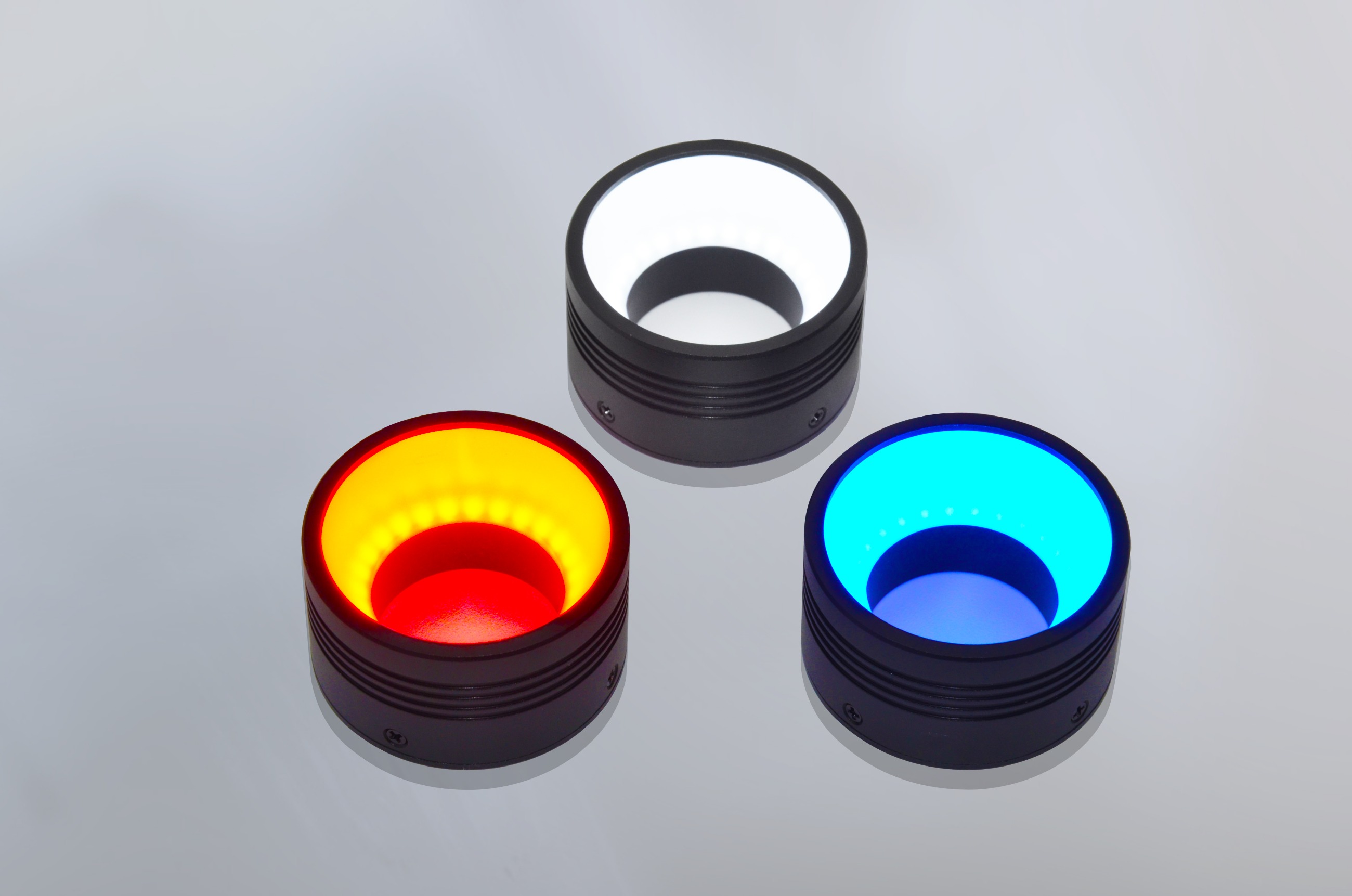
Ring Light ZSP-R

Ring Light ZSP-R

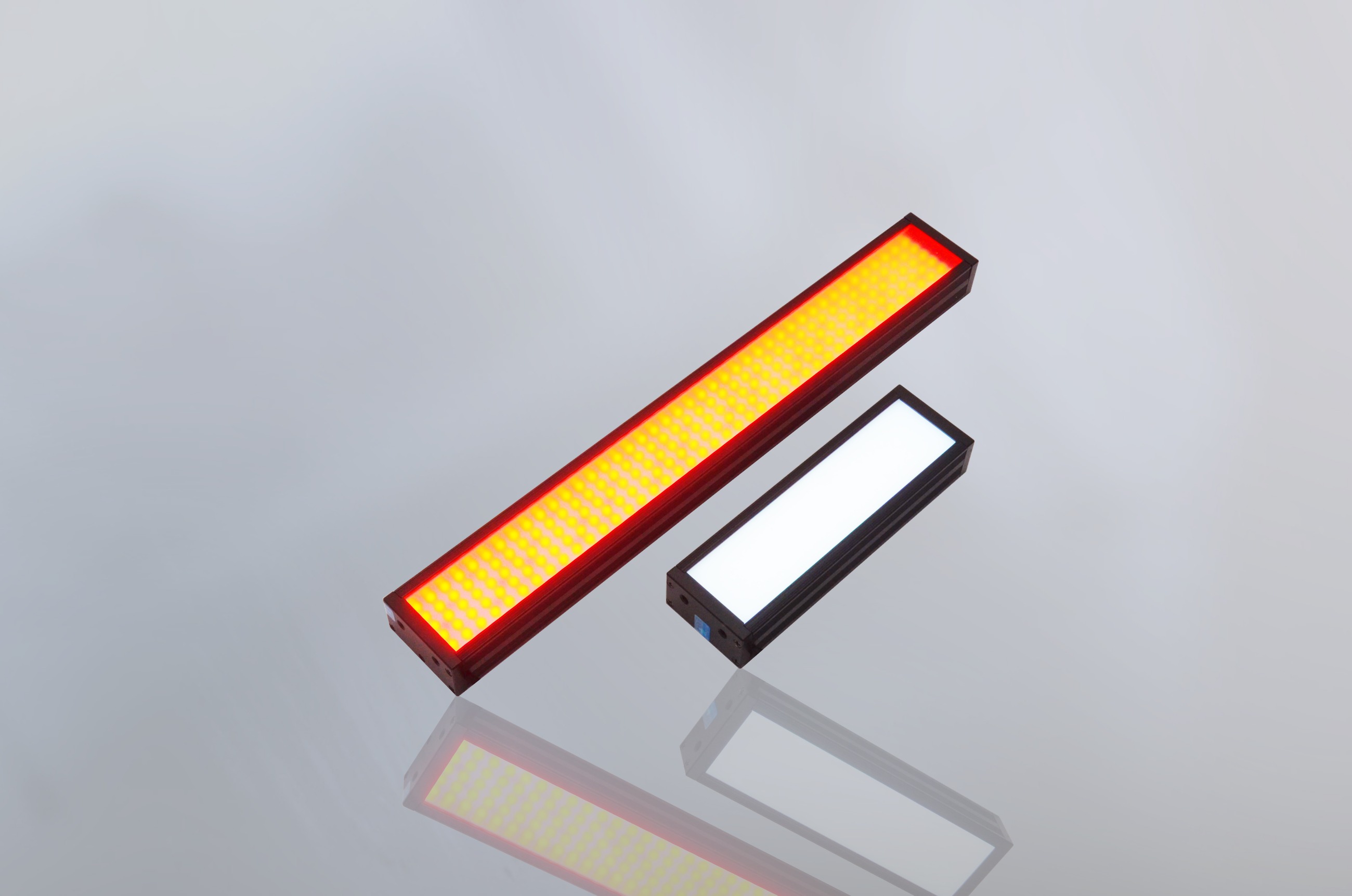
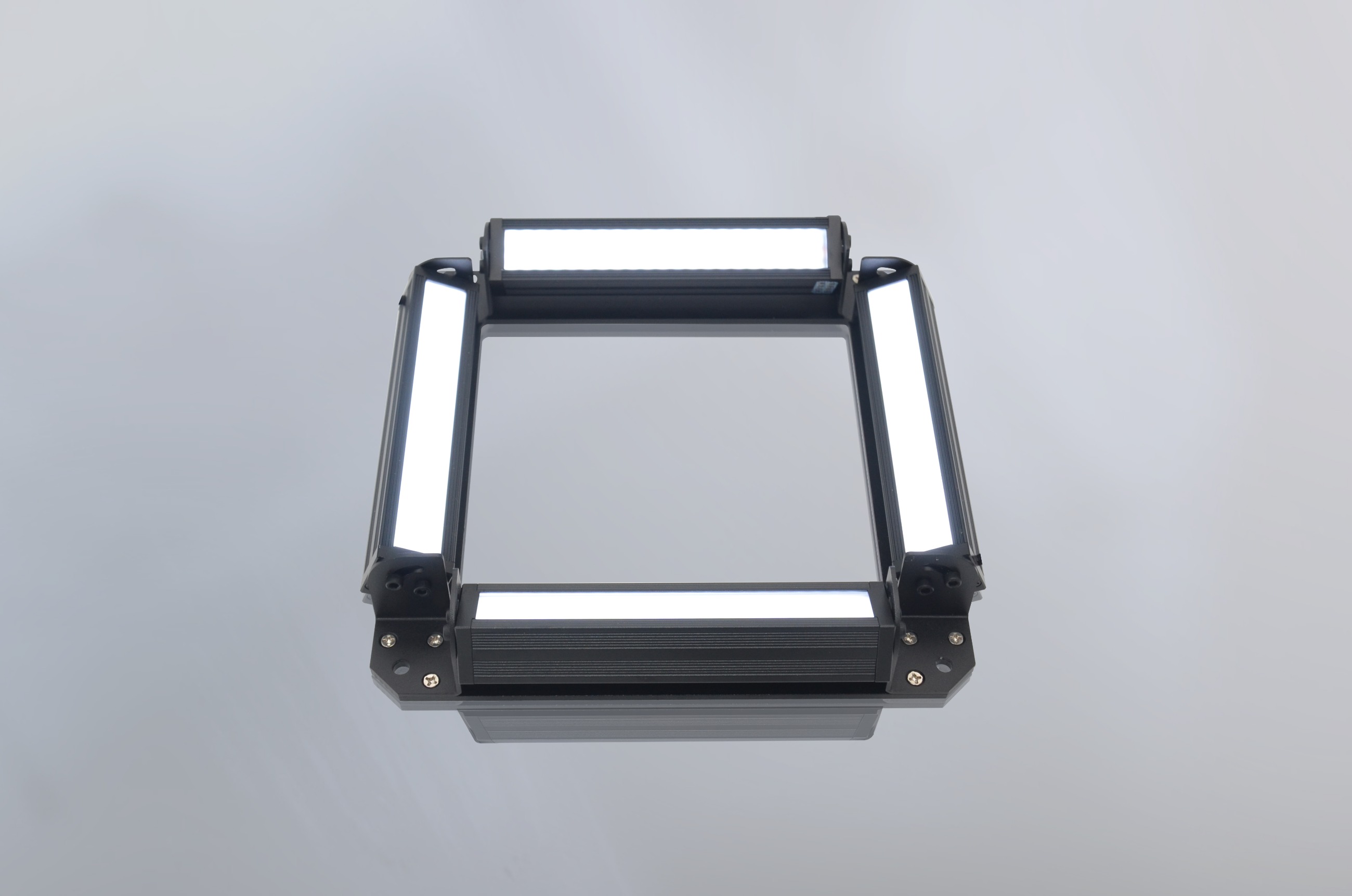
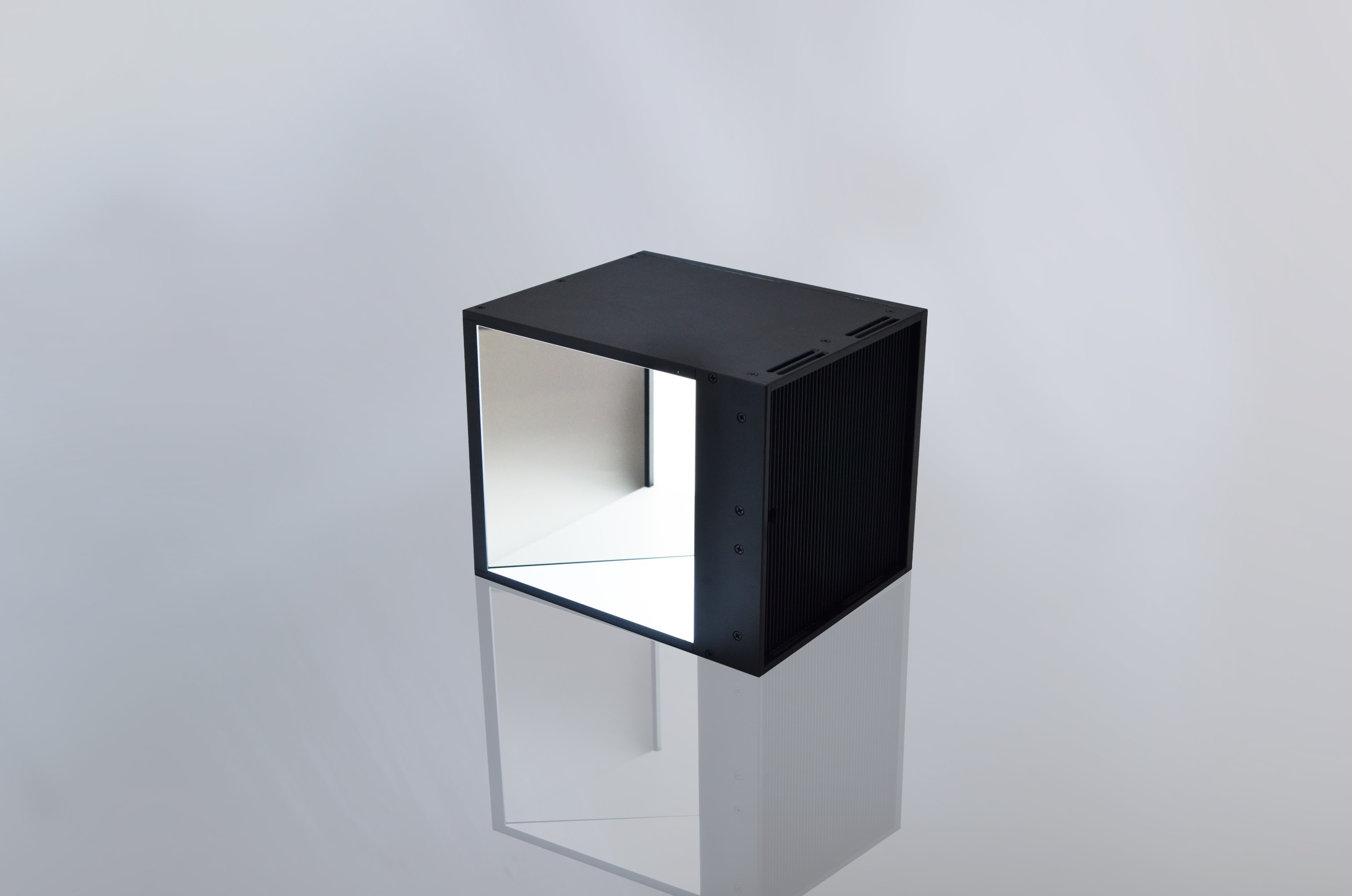
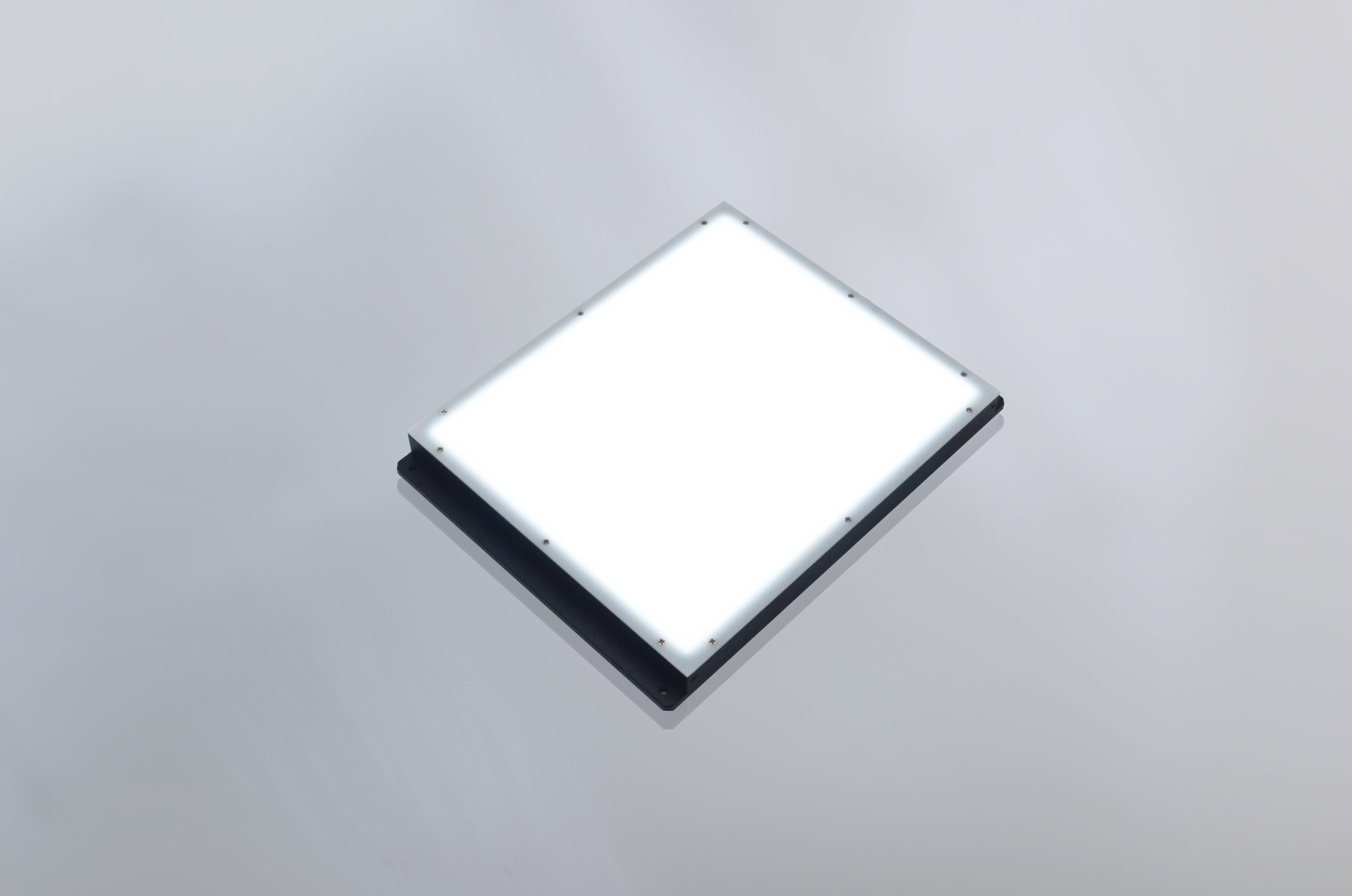
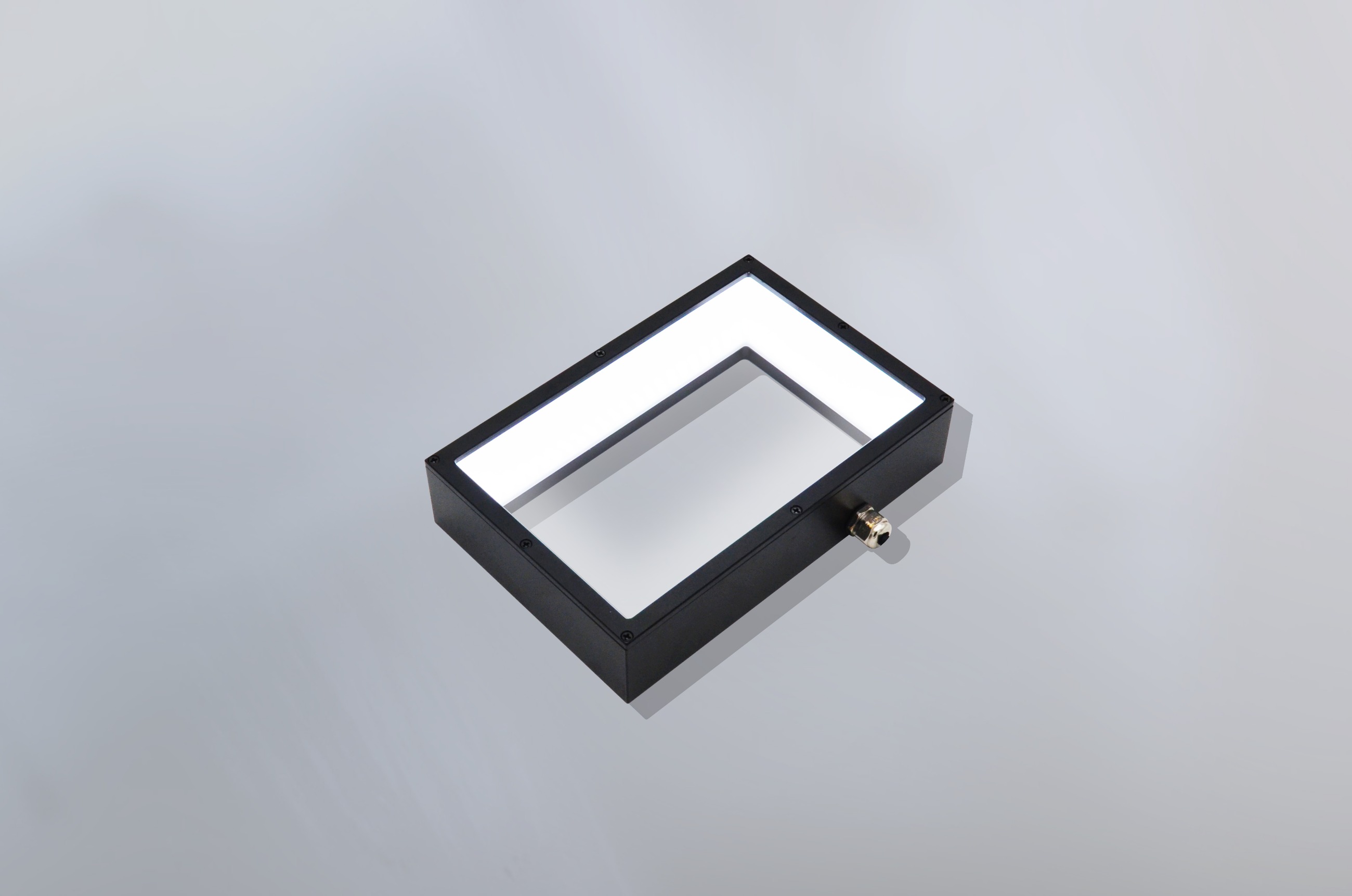
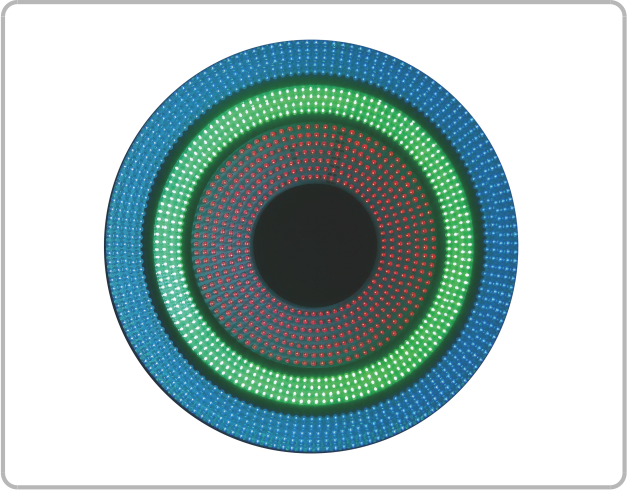
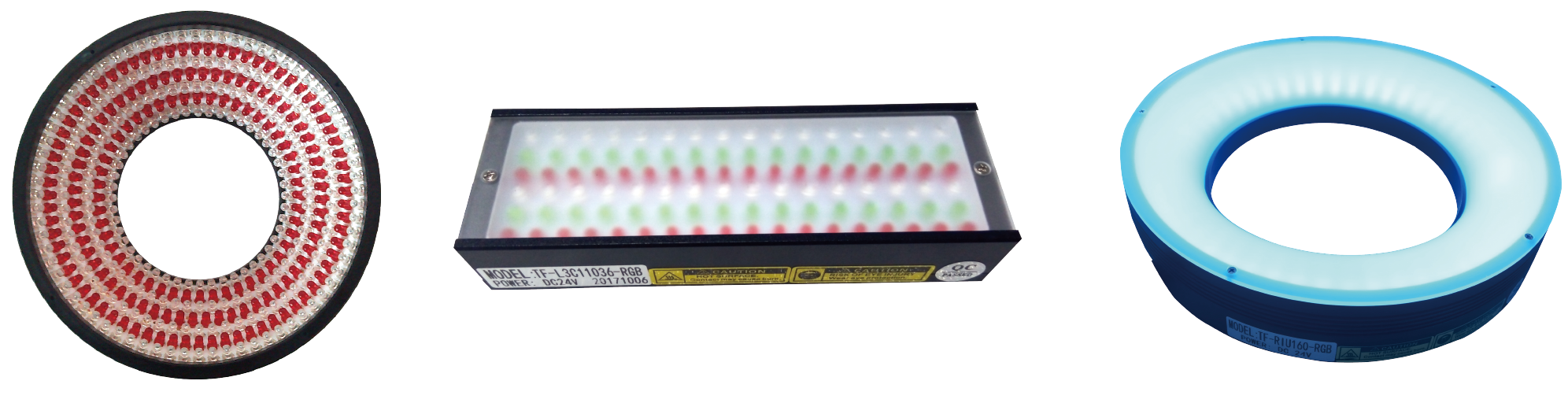
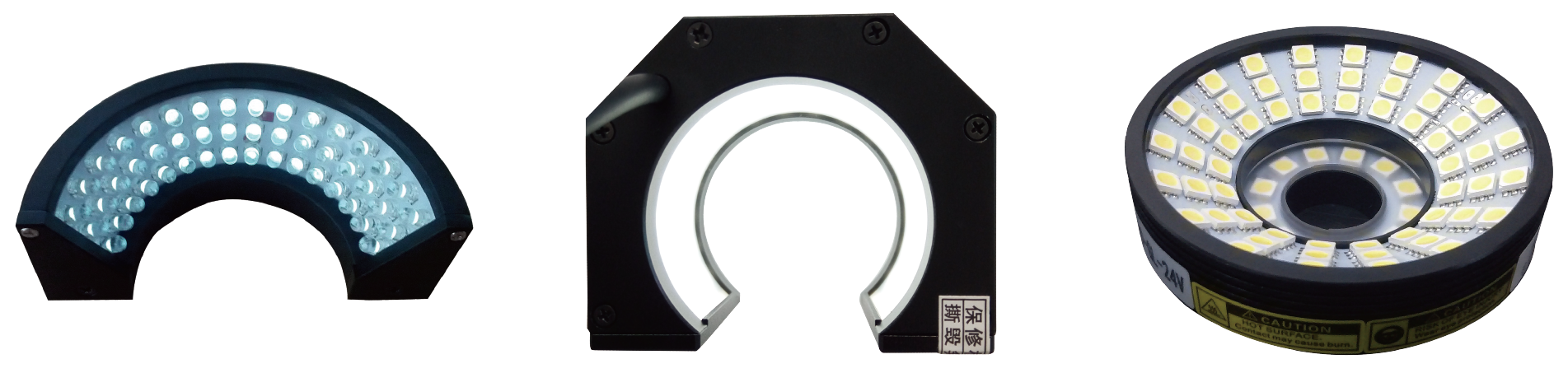
Ring Light Source – ZSP-R Series The ring light source uses a highly flexible substrate material and a unique manufacturing process. It can be bent to any angle to form an illumination system with the optimal outer diameter, inner diameter, and lighting angle. Product Features: 1. The ring light provides illumination from multiple angles, making object features stand out clearly. 2. Effectively solves shadowing issues caused by angled illumination. 3. Compact structure design saves installation space. 4. Unique heat-dissipation structure improves light stability. 5. An optional diffuser plate is available to spread the light more evenly. Applications: 1. Defect inspection on highly reflective or uneven surfaces 2. Character inspection on high-gloss gold mobile phone housings/panels 3. Silkscreen/marking inspection on high-gloss IC plastic packages 4. Surface inspection of electronic components on high-speed production lines 5. Inspection of aluminum-foil packaging for medical/pharmaceutical products   Model Description: Example: ZSP-R120A30-5X ZSP - R 120 A30 - 5 X Zhensheng   Ring Light Outer Diameter Angle   LED Ring Count Color    Ring Light Structure Diagram         Ring Light Illumination Diagram        In machine vision systems, lighting mainly plays the following roles: 1. Highlight measurement features and simplify image-processing algorithms. 2. Overcome interference from ambient light and improve the image signal-to-noise ratio. 3. Improve the positioning, measurement, and recognition accuracy of the vision system, as well as the system’s operating speed. 4. Reduce the complexity of system design.

Measurement Equipment

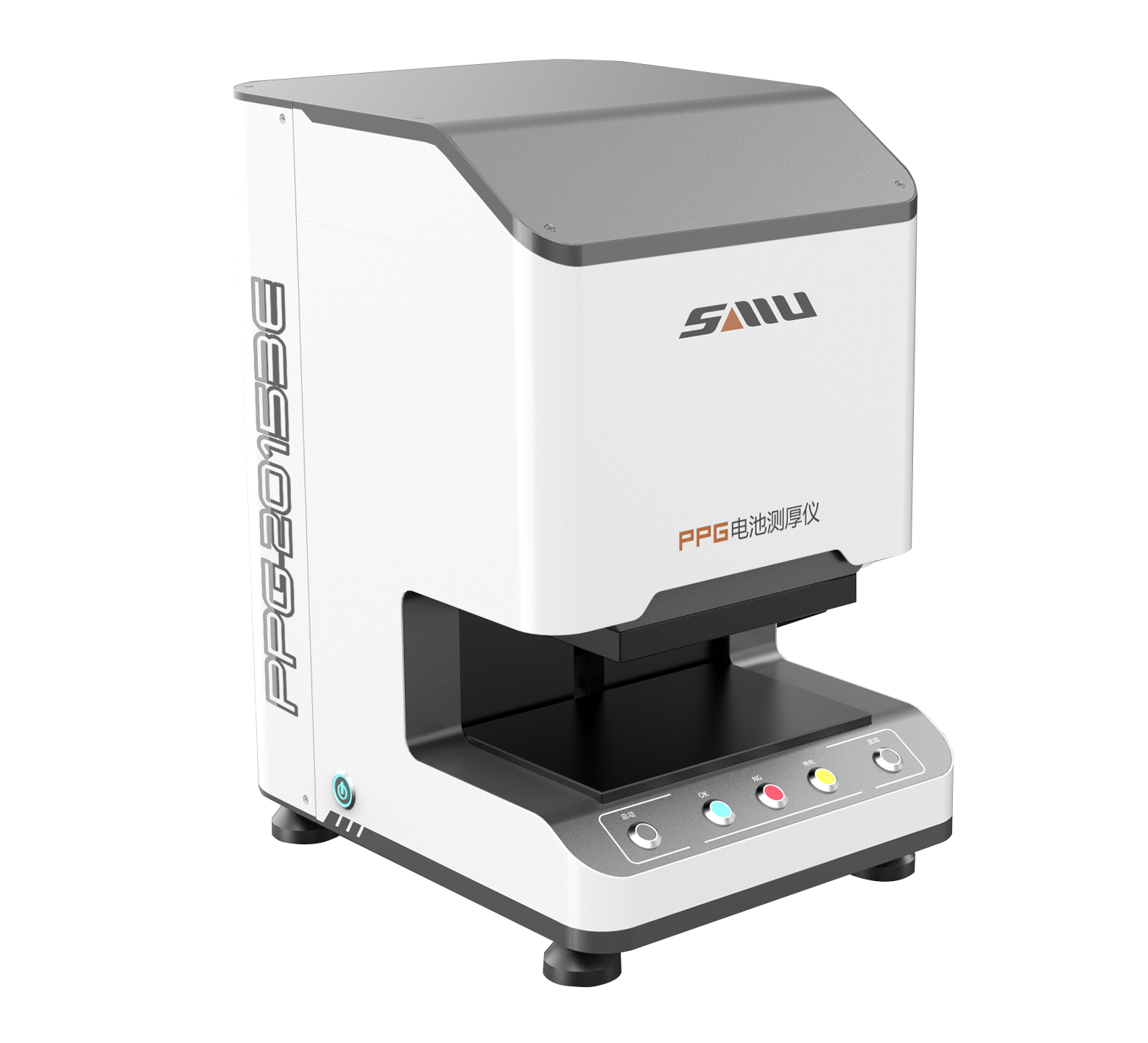
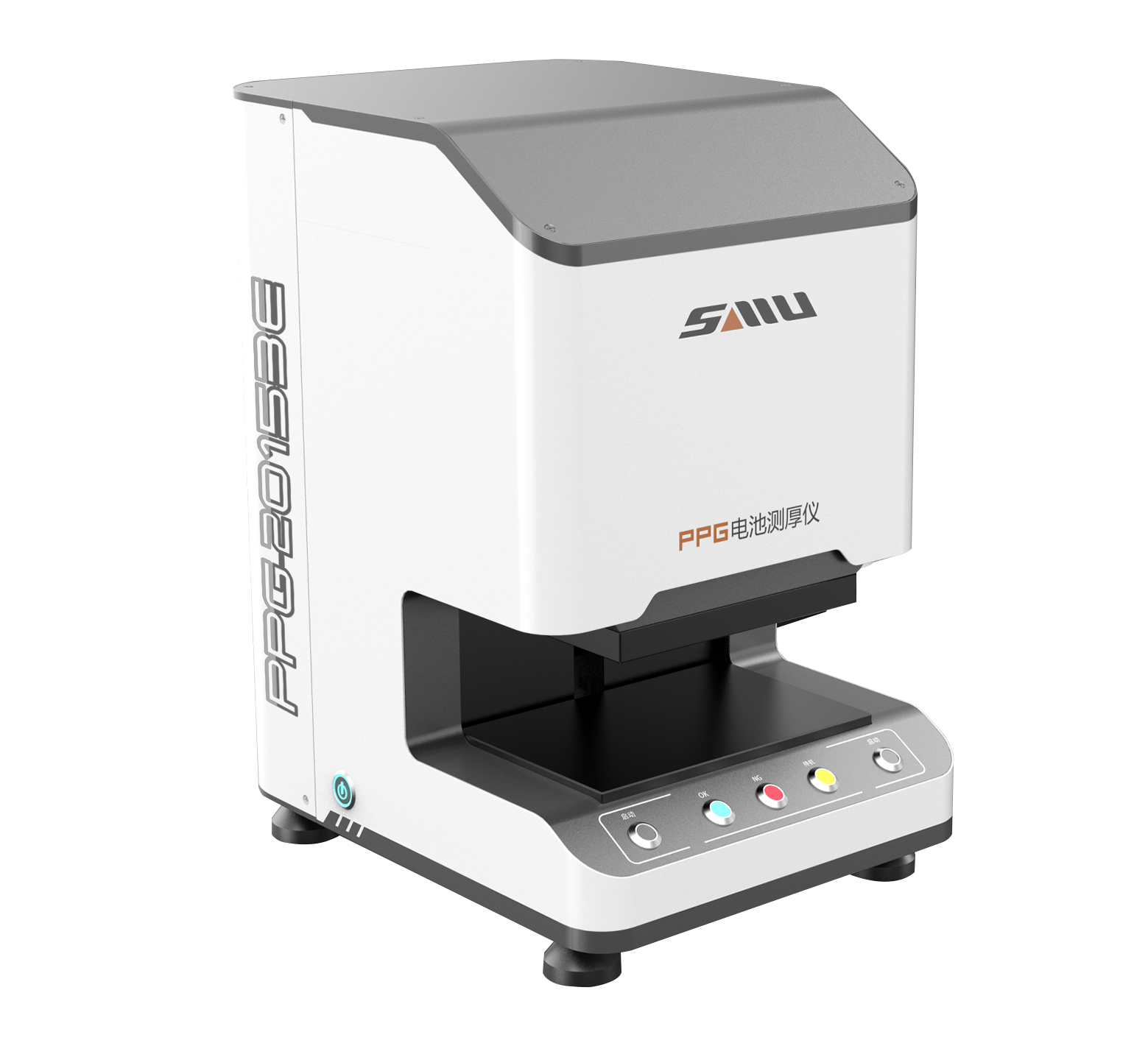
PPG-25205ELS電動電池測厚儀(直線電缸)

PPG-25205ELS電動電池測厚儀(直線電缸)

PPG-25205ELS電動電池測厚儀(直線電缸) 該機型適用于軟包鋰電池、電芯以及各種非電池類柔性薄片狀產品等領域工件厚度的精密測量   一、儀器主要技術參數及產品特點: 型 號 PPG-25205ELS 測試有效範圍 L250mm×W200mm(可根據客戶需求定制) 測試厚度範圍 0~50mm 測試空間高度 ≤50mm 工作平面 00級濟南大理石,絕緣性好 測試壓力測試範圍 600gf~2kgf(可根據客戶需求定制) ±10% 適合電池尺寸 長250*寬200*厚50以內(可根據客戶需求定制) 綜合測試誤差 ≤0.01mm 單點測試誤差 ≤0.003mm 壓力傳動 伺服電機+傳動模組+直線電缸加壓 GR&R <10% 解析度 0.0005mm 測試效率 ≤5-10s,不含保壓時間 電壓 AC220V/50HZ 作業系統 SMU電池專用軟體 顯示方式 24寸 ALL IN ONE 電腦+PPG測量軟體 標配掃碼槍 Honeywell 1900c     二、軟體功能: 1、軟體可設定過壓保護,若超壓,機台自動停止運作;                                    2、 一台設備對應一台電腦; 3、高度、壓力資料可以通過軟體匯出excel等格式的報表;                                  4、測量時顯示並即時生成壓力/高度曲線、壓力/時間曲線; 5、壓力範圍內可隨意設定力值                                   6、設備操作簡單、安全可靠、高效 7、預留可與MES通信的通訊介面(後期開通費用另計) 8、增加掃碼槍可實現條碼匹配與追溯功能 9.增加設備校準時間(8H 12H 24H可選),到校準期限時,機台可報警提示. 10.在測試資料中增加產品測試時間記錄(如產品測試具體時間,-年、月、日、分、秒) 11.資料匯出截點(如匯出資料時可按時間節點選項來進行資料匯出) 12.軟體需增加雙重資料儲路徑(即主、副硬碟同時保存軟體資料) 13增加掃碼勾選功能(如勾選掃碼,即必須掃碼後才能測試,否則會彈出需要掃碼的對話方塊) 14.掃碼匹配功能(預先設置好一段二維,當掃碼時,二維碼與設置好的匹配不符,即會彈出對話方塊提示)

PPG-6255ELS 電動電池測厚儀

PPG-6255ELS 電動電池測厚儀

PPG-6255ELS 電動電池測厚儀 該機型適用於軟包裝動力電池、電芯以及各種非電池類柔性薄片狀產品等領域工件厚度的精密測量       儀器主要技術參數及產品特點: 型 號 PPG-6255ELS 測試有效範圍 L600mm×W250mm(可根據客戶需求定制) 測試厚度範圍 0~50mm 測試空間高度 ≤50mm 工作平面 00級濟南大理石 測試壓力測試範圍 0g~500kgf(可根據客戶需求定制) ±0.5% 適合產品尺寸 600*250*50mm以內尺寸(可根據客戶需求定制) 綜合測試誤差 ≤0.003mm 單點測試誤差 ≤0.005mm 壓力方式 伺服施壓,壓力可調。上壓板速度可調節同時可設定分區段速度下壓。 解析度 0.0005mm 測試效率 ≤20S(時間隨測試壓力及行程大小有所區別) 顯示方式 24 寸顯示器+PPG軟體 PPG 專用量塊 100*150*10mm 標配掃碼槍 Honeywell霍尼韋爾1900C 電腦 I7電腦主機     二、軟體功能: 1、軟體可設定過壓保護,若超壓,機台自動停止運作;                                     2、 一台設備對應一台電腦; 3、高度、壓力資料可以通過軟體匯出excel等格式的報表;                                  4、測量時顯示並即時生成壓力/高度曲線、壓力/時間曲線; 5、壓力範圍內可隨意設定力值                                   6、設備操作簡單、安全可靠、高效 7、預留可與MES通信的通訊介面(後期開通費用另計) 8、增加掃碼槍可實現條碼匹配與追溯功能 9.增加設備校準時間(8H 12H 24H可選),到校準期限時,機台可報警提示. 10.在測試資料中增加產品測試時間記錄(如產品測試具體時間,-年、月、日、分、秒) 11.資料匯出截點(如匯出資料時可按時間節點選項來進行資料匯出) 12.軟體需增加雙重資料儲路徑(即主、副硬碟同時保存軟體資料) 13增加掃碼勾選功能(如勾選掃碼,即必須掃碼後才能測試,否則會彈出需要掃碼的對話方塊) 14.掃碼匹配功能(預先設置好一段二維,當掃碼時,二維碼與設置好的匹配不符,即會彈出對話方塊提示)

Lens Series › Telecentric Lens › 1/2.5" Chip Series

Lens Series › Telecentric Lens › 1/2" Chip Series

Lens Series › Telecentric Lens › 1/1.8" Chip Series

Lens Series › Telecentric Lens › 1/1.7" Chip Series

Lens Series › Telecentric Lens › 2/3" Chip Series

Lens Series › Telecentric Lens › 1" Chip Series

Lens Series › Telecentric Lens › 1.1" Chip Series

Lens Series › Telecentric Lens › 1.75" Chip Series

Lens Series › Telecentric Lens › 2" Chip Series

Lens Series › Telecentric Lens › 39mm Chip Series

Lens Series › Telecentric Lens › 44mm Chip Series

Lens Series › Telecentric Lens › 59mm Chip Series

Lens Series › Telecentric Lens › Dual Magnification Telecentric

Lens Series › 360鏡頭

Lens Series › FA Lens › 1/1.8" Chip Series

Lens Series › FA Lens › 2/3" Chip Series

Lens Series › FA Lens › 1" Chip Series

Lens Series › FA Lens › 1.1" Chip Series

Lens Series › FA Lens › 4/3" Series

Lens Series › Line Scan Lens › 4k7u Series

Lens Series › Line Scan Lens › 8k5u Series

Lens Series › Line Scan Lens › 8k7u Series

Lens Series › Line Scan Lens › 12K5μ Chip Series

Lens Series › Line Scan Lens › 16k3.5u Series

Lens Series › Line Scan Lens › 16K5μ Chip Series

Lens Series › Liquid Lens › Liquid FA Series

Lens Series › Liquid Lens › Liquid Telecentric Series

Lens Series › ML Lens

Lens Series › 測量行業 › Collimated Light Series

Lens Series › 測量行業 › Telecentric Series

Lens Series › 傳感器 › Point Spectral Sensor

Lens Series › 傳感器 › Point Laser Sensor

Lens Series › 傳感器 › White Light Interferometer Sensor

Lens Series › DLP

Automation Control

JK控制開發平台(WRCP-10A4)

JK控制開發平台(WRCP-10A4)

JK控制開發平台WRCP-10A4為操作簡易且開發彈性的自動化控制平台。其擁有平板大小的10”彩色觸碰螢幕、數位伺服EtherCAT與4軸脈衝型伺服馬達同動控制,遠端網路架構的IO控制依需求可彈性擴充。軟體內建PLC、文字檔解譯器(G/M Code)與軸向運動控制模組,並提供可自行編輯的開放式人機軟體。所有軟硬體功能皆內嵌於同一台控制器中,是您快速開發客制化機台的最佳控制器平台選擇。 您的困擾: l  客制化機台想要快速開發與操作簡易的控制平台? l  想擺脫PLC與HMI不同廠牌無窮盡重工除錯的工程師 產品特色: l  擁有經驗豐富的精科智能運動控制團隊為您的控制方案建議與把關。 l  四大開發模組All In One控制平台,階梯圖(PLC)+人機畫面(HMI)+ 文字檔解譯器(G/M Code)+運動控制模組全部都在同一控制器內。 內建多種運動控制模組,讓您快速開發應用,不用再陷入繁雜的技術文件中。     10吋系列     15吋系列   l  WRCP-10A4硬體架構 控制器All In One設計配線簡單明瞭,遠端IO擴充彈性,支援外部串列裝置與電子手輪控制。                                                                l  WRCP-10-A4軟體架構 l  人機畫面(HMI)與階梯圖(PLC)可自行編輯設計,呈現客制化機台的專用性。 l  透過文字解譯器(G/M Code)可執行純文字檔案的控制程序。 l  強大運動模組核心,提供原點/寸動/定位/手動與自動流程等運動功能。 l  暫存器的使用在四大開發模組暢行無阻,不在有跨設備跨模組無法溝通的問題。     l  WRCP-10A4硬體規格 項目 規格說明 備註 電源輸入 AC110~220V   顯示器 10”TFT彩色LCD 1024x600 資料存取 USB 正面1組,背面2組 串列通訊 RS485 1組 網路端口 RJ45 10/100/1000網路介面 伺服控制端口 Pulse伺服控制x 4 Pulse與EtherCAT總軸數最大4軸 EtherCAT端口 EtherCAT伺服控制 MPG端口 電子手輪專用   RIO端口 遠端IO通訊端口 搭配JCAN系列IO板 JCAN-24I-24OP JCAN-16I-16OR-2E     l  WRCP-10A4外型尺寸 l  WRCP-10A4端口圖 l  JCAN系列IO板 l  JCAN-24I-24OP硬體規格 項目 規格說明 備註 電源輸入 24V / 300mA   輸入規格 24組(PNP / NPN) PNP / NPN可切換 輸出規格 24組電晶體輸出 (PNP / 源型 / 高電位輸出) 單點可承載2A 總額最大輸出12A 電壓輸出 2組(0~10V) 解析度14bit   l  JCAN-16I-16OR-2E硬體規格 項目 規格說明 備註 電源輸入 24V / 300mA   輸入規格 16組(PNP / NPN) PNP / NPN可切換 可擴充至32組 輸出規格 16組繼電器乾接點輸出 可承載電流16A 可擴充至32組 電壓輸出 2組(0~10V) 解析度14bit

Σ7 伺服馬達(15KW以下)

Σ7 伺服馬達(15KW以下)

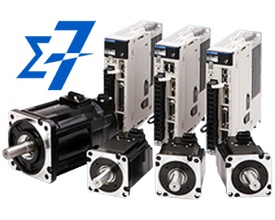
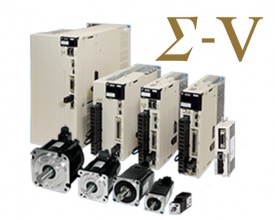
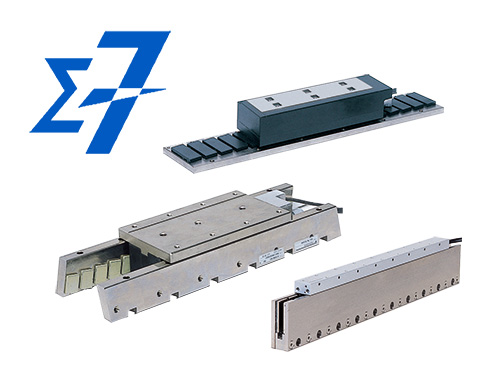
      Σ7 伺服馬達(15KW以下) 大幅提高裝置性能大幅提高使用便利性大幅提高耐環境性能讓客戶放心使用豐富的輔助功能完備的產品系列大幅提高相容性   產品特點:       速度響應頻率:3.1KHz強化震動抑制機能強化免調整增益機能新增漣波補償機能單一驅動器控制雙軸馬達設計(1KW以下) 馬達長度縮短20%24bit 高解析度編碼器最大轉矩350%(小容量)產生熱能降低20%全系列搭載溫度檢知器   24bit高解析度編碼器     無須調整伺服增益(30倍慣量比以內)   應用案例:機器手臂   強化的震動抑制機能   低發熱性   產品規格: 馬達規格   小容量、中慣量使用電壓:AC 200V額定轉速:3000 RPM最高轉速:6000 RPM 容量 馬達型號 驅動器型號(單軸) 驅動器型號(雙軸) 50W SGM7J-A5A□□□□ SGD7S-R70A□□□ SGD7W-1R6A□□□ 100W SGM7J-01A□□□□ SGD7S-R90A□□□ SGD7W-1R6A□□□ 150W SGM7J-C2A□□□□ SGD7S-1R6A□□□ SGD7W-1R6A□□□ 200W SGM7J-02A□□□□ SGD7S-1R6A□□□ SGD7W-1R6A□□□ 400W SGM7J-04A□□□□ SGD7S-2R8A□□□ SGD7W-2R8A□□□ 600W SGM7J-06A□□□□ SGD7S-5R5A□□□ SGD7W-5R5A□□□ 750W SGM7J-08A□□□□ SGD7S-5R5A□□□ SGD7W-5R5A□□□     中容量、中慣量、大轉矩使用電壓:AC 200V額定轉速:1500 RPM最高轉速:3000 RPM 容量 馬達型號 驅動器型號(單軸) 驅動器型號(雙軸) 300W SGM7G-03A□□□□ SGD7S-3R8A□□□ SGD7W-5R5A□□□ 450W SGM7G-05A□□□□ SGD7S-3R8A□□□ SGD7W-5R5A□□□ 850W SGM7G-09A□□□□ SGD7S-7R6A□□□ SGD7W-7R6A□□□ 1.3KW SGM7G-13A□□□□ SGD7S-120A□□□ - 1.8KW SGM7G-20A□□□□ SGD7S-180A□□□ - 2.9KW SGM7G-30A□□□□ SGD7S-330A□□□ - 4.4KW SGM7G-44A□□□□ SGD7S-330A□□□ - 5.5KW SGM7G-55A□□□□ SGD7S-470A□□□ - 7.5KW SGM7G-75A□□□□ SGD7S-550A□□□ - 11KW SGM7G-1AA□□□□ SGD7S-590A□□□ - 15KW SGM7G-1EA□□□□ SGD7S-780A□□□ -   低慣量、高轉速使用電壓:AC 200V額定轉速:3000 RPM最高轉速:6000 RPM   容量 馬達型號 驅動器型號(單軸) 驅動器型號(雙軸) 50W SGM7A-A5A□□□□ SGD7S-R70A□□□ SGD7W-1R6A□□□ 100W SGM7A-01A□□□□ SGD7S-R90A□□□ SGD7W-1R6A□□□ 150W SGM7A-C2A□□□□ SGD7S-1R6A□□□ SGD7W-1R6A□□□ 200W SGM7A-02A□□□□ SGD7S-1R6A□□□ SGD7W-1R6A□□□ 400W SGM7A-04A□□□□ SGD7S-2R8A□□□ SGD7W-2R8A□□□ 600W SGM7A-06A□□□□ SGD7S-5R5A□□□ SGD7W-5R5A□□□ 750W SGM7A-08A□□□□ SGD7S-5R5A□□□ SGD7W-5R5A□□□ 1.0KW SGM7A-10A□□□□ SGD7S-120A□□□ - 1.5KW SGM7A-15A□□□□ SGD7S-120A□□□ - 2.0KW SGM7A-20A□□□□ SGD7S-180A□□□ - 2.5KW* SGM7A-25A□□□□ SGD7S-200A□□□ - 3.0KW SGM7A-30A□□□□ SGD7S-200A□□□ - 4.0KW SGM7A-40A□□□□ SGD7S-330A□□□ - 5.0KW* SGM7A-50A□□□□ SGD7S-330A□□□ - 7.0KW SGM7A-70A□□□□ SGD7S-550A□□□ - *最高轉速:5000RPM 驅動器規格   MECHATROLINK III通訊型 單軸驅動器 MECHATROLINK III通訊型 雙軸驅動器 MECHATROLINK II通訊型 單軸驅動器 脈波、電壓指令泛用型 單軸驅動器 型號 SGD7S-□□□□20A SGD7W-□□□□20A SGD7S-□□□□10A SGD7S-□□□□00A 外型

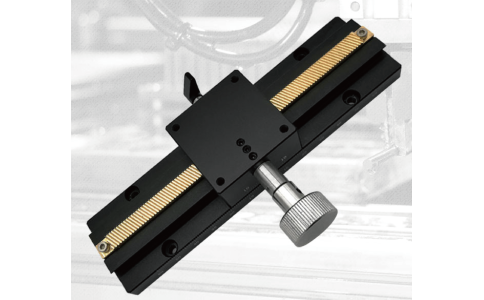
Manual Precision Stages › Dovetail Groove Platform

Manual Precision Stages › Cross Roller Platform X/XY Axis

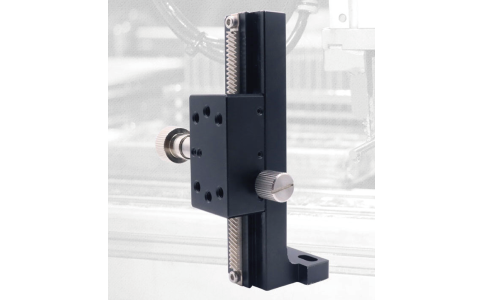
Manual Precision Stages › Cross Roller Platform Z Axis

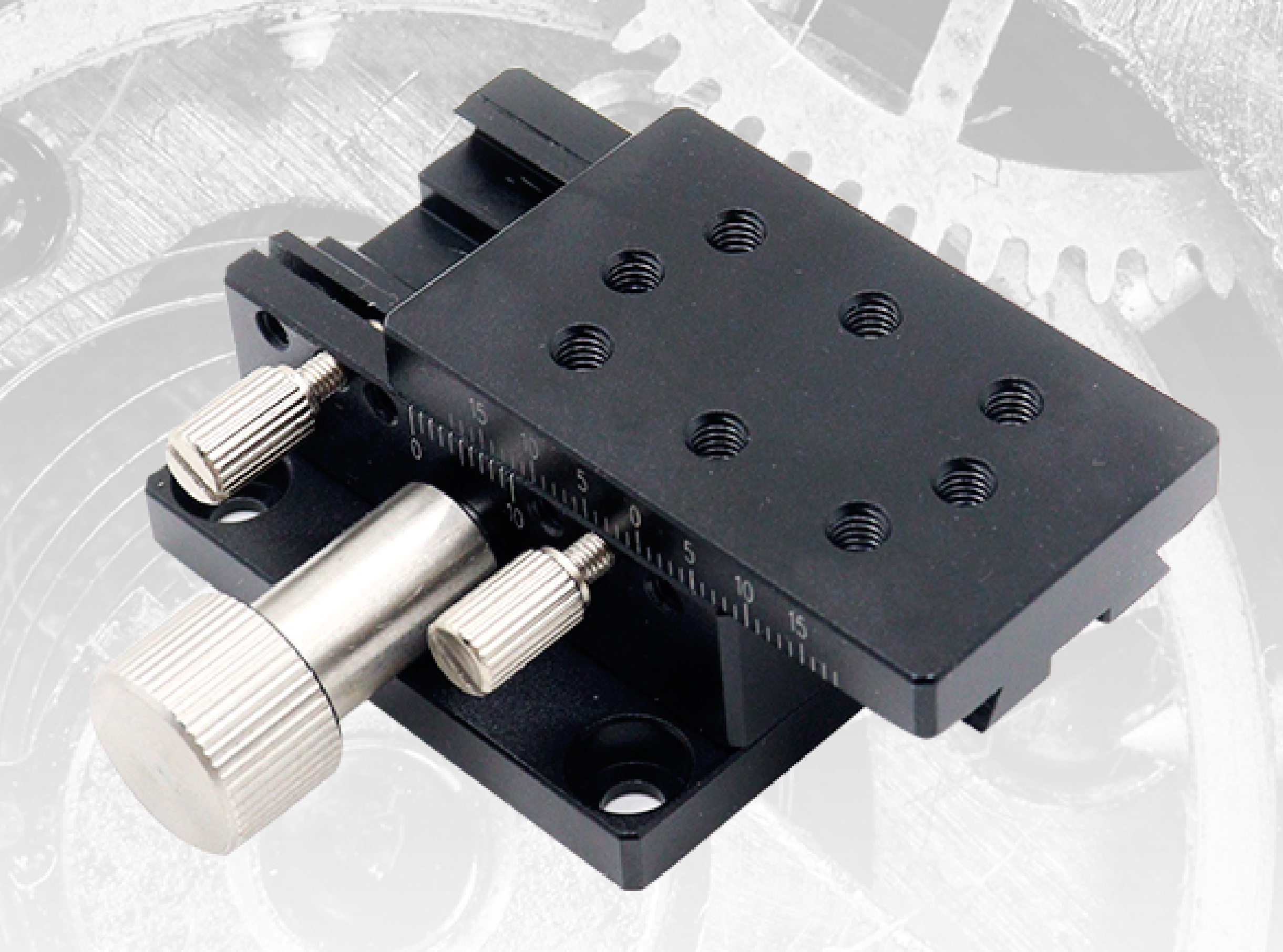
Manual Precision Stages › Rotary Stage (Θ Axis)

AI Digital Transformation